
Technical Bulletin: Nutritional Strategies for Better Fat Utilization in Poultry

Dr. Amit V. Janbandhu & Dr. Sanjay Singhal

1. Introduction

Animal fats and vegetable oils are commonly incorporated into poultry diets due to their high energy density, which supports optimal growth performance (Blanch et al., 1996). Dietary fats and oils provide approximately 2.25 times more metabolizable energy than carbohydrates and serve as important sources of essential fatty acids and fat‑soluble vitamins. In recent years, rising feed costs have increased interest in maximizing dietary fat utilization to enhance energy concentration and meet the demands of high‑performing birds. However, fat absorption efficiency is age‑dependent; young broilers exhibit a physiological limitation in lipid digestion and absorption, which improves progressively with advancing age (Kussaibati et al., 1982)

Enzymatic hydrolysis of lipids (oils and fats) produces fatty acids (FA) which are water insoluble. FA passes through the liquid phase of the small intestine and, after aggregating to form micelles, are absorbed as hydrophobic components. This process is naturally mediated by endogenous emulsifiers, such as bile salts. The assimilation of dietary fats in young birds is poor because they have a limited capacity to produce and secrete bile salts and lipase until their gastrointestinal tract matures at 10-14 days of age (Noy and Sklan,1998).

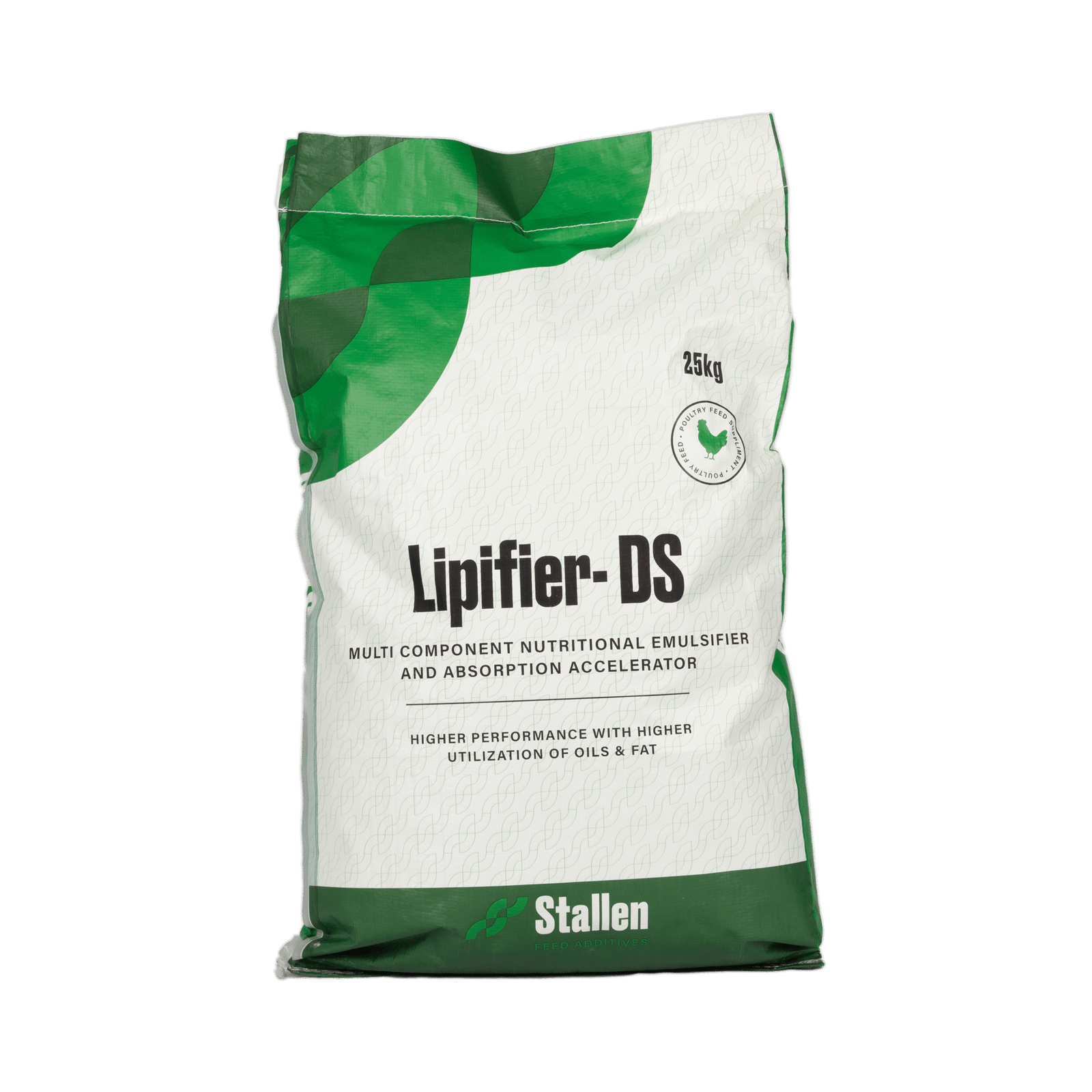
This review evaluates the role and application of exogenous emulsifiers, such as Lipifier-DS from Stallen South Asia Pvt Ltd., a multi-component emulsifier and absorption accelerator, in nutrient-dense broiler diets to maximize the growth potential of modern poultry genetics.

2. Digestibility problems in young chicks

Young birds exhibit limited fat absorption due to low endogenous lipase activity, reduced bile secretion, and poor emulsification capacity; however, these functions improve with age and adapt to higher levels of unsaturated fatty acids (Meng et al., 2004). Consequently, immature digestive systems are unable to efficiently form mixed micelles in the intestinal lumen, leading to reduced fat digestion and nutrient absorption (Leeson and Atteh, 1995). Age‑related differences in metabolisable energy (ME) utilization and growth performance have therefore stimulated interest in the use of exogenous emulsifiers to enhance fat utilisation in young birds (Roy et al., 2010). High dietary inclusion of saturated fats in broiler rations can lead to excessive visceral and carcass fat deposition, reduced vitamin A and E availability, and compromised meat quality (Chae et al., 2006).

3. Energy efficiency of emulsifiers in High‑Performance Broiler Diets

Energy is a major cost component factor in diets of high-performance animals, such as broilers. Emulsifiers can be used to improve fat digestibility and energy efficiency. As a result, lower energy diets can be formulated for birds whilst maintaining the same performance, leading to lower feed cost and more economical and sustainable production. Emulsifiers facilitate the formation of emulsion droplets, which lowers the surface tension (Ashraf, 2007), stimulates the formation of micelles, causes high levels of monoglycerides in the intestine and facilitates the nutrient transport through the membrane (Melegy et al., 2010). Emulsifier supplementation has been shown to improve feed efficiency, lipid absorption, and blood lipid profiles, although its effects on growth performance and carcass traits are inconsistent (Udomprasert and Rukkwamsuk, 2006).

4.Classification and Functional Role of Exogenous Emulsifiers in Broilers

Exogenous emulsifiers used in animal nutrition are broadly classified as natural or synthetic, with natural emulsifiers—including bile salts, phospholipids, and dietary sources such as soy lecithin—and synthetic emulsifiers comprising chemically modified molecules such as lysolecithin or lysophosphatidylcholine (Zhang et al., 2011). By modifying hydrophobic interfaces and promoting mixed‑micelle formation, these emulsifiers enhance fat digestibility, particularly in young birds with limited endogenous emulsification capacity (Al‑Marzooqi and Leeson, 1999). Soy lecithin remains the most extensively validated natural emulsifier in poultry, improving fat utilization, growth performance, and serum lipid profile while supplying choline to prevent perosis (Polin, 1980; Siyal et al., 2017; Schaible, 1970). Synthetic emulsifiers, including polyethylene glycol mono‑ and dioleates and sodium stearoyl‑2‑lactylate, have also been shown to improve growth performance and the utilization efficiency of fat, protein, and metabolizable energy, although some synthetic polyoxyethylene glycol emulsifiers exhibit lower in vivo efficiency compared with bile salts (Frobish et al., 1969; Roy et al., 2010).

5. Emulsifying agents

An emulsifying agent stabilizes an emulsion by reducing interfacial tension between immiscible phases such as oil and water, thereby preventing droplet coalescence. Emulsifiers possess both hydrophilic and lipophilic moieties, enabling their adsorption at the oil–water interface and stabilization of dispersed fat droplets. Efficient fat emulsification is a prerequisite for lipid digestion in the gastrointestinal tract and is influenced by fatty acid chain length, triglyceride structure, and degree of saturation (Gu and Li, 2003). Exogenous emulsifiers enhance lipid utilization, particularly of animal fats, and partially compensate for limited bile production and enterohepatic recirculation in young birds. Although bile salts and monoglycerides function as natural emulsifiers, their emulsification capacity is insufficient in young birds, resulting in poor fat digestibility. Furthermore, saturated and free fatty acids exhibit a lower capacity for micelle formation than long‑chain unsaturated fatty acids, further limiting lipid digestion efficiency.

Table 1. Available Emulsifiers Used in the Poultry Industry

6. Principles of Emulsification

Emulsifiers lower the interfacial energy between the two immiscible liquids, thereby helping the formation of an emulsion. For an emulsifier to be effective at reducing droplet size and stabilising an emulsion, it needs to be located at the interface. The emulsifier must not be too soluble in either phase, otherwise it will migrate to that phase. If the emulsifier migrates away from the interface, the emulsion is destabilised.

An emulsion is most accurately defined as a dispersion of liquid droplets in a second immiscible liquid. Temporary emulsions may be formed by mixing/agitating the two normally immiscible liquids; however, the stability of temporary emulsions produced in this way is poor. Emulsifiers are surface active materials (surfactants) that are used to assist in the formation of an emulsion and to stabilise the emulsion.

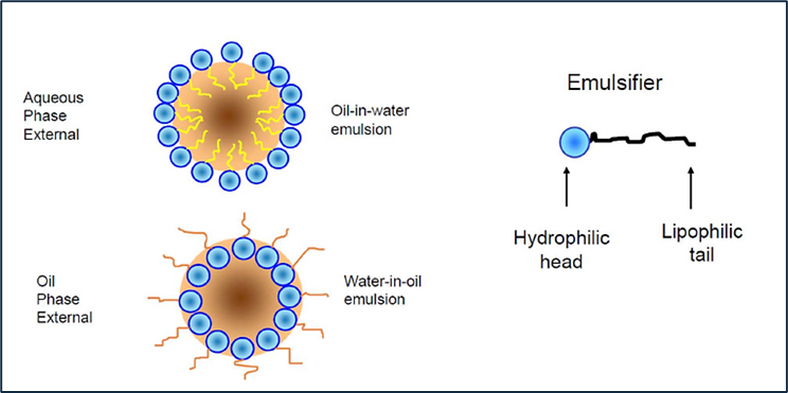
Fig.1. Below is a simplistic view of an emulsion particle, protected by surfactant molecules partitioned at the interface of the internal and external phase.
There are several different types of emulsions. They are loosely described by their phase relationship and/or by their appearance:

  • Oil-in-Water
  • Water-in-Oil
  • Multiple emulsions
  • Macro-emulsions
  • Micro-emulsions

The appearance of the emulsion is dependent upon the particle size of the discontinuous phase.

Table.2. Particle size is listed in nanometers (nm)

7. Mechanism of Action of Lipid Digestion and Absorption

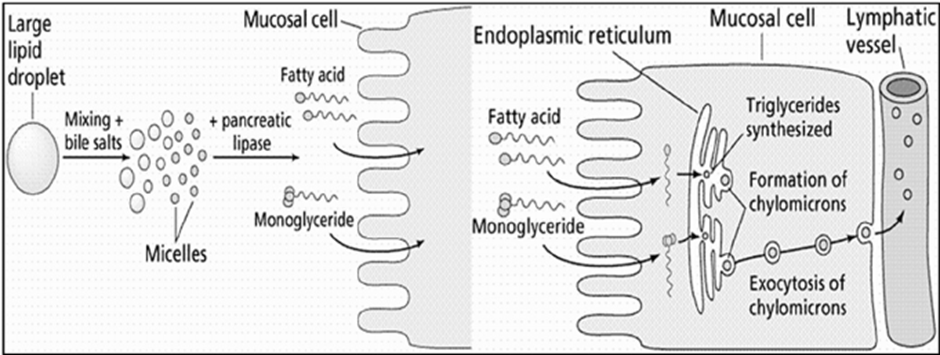
  • Emulsification of dietary fat: Large lipid droplets entering the intestinal lumen are emulsified by bile salts, reducing surface tension and breaking them into smaller droplets. This process increases the surface area available for enzymatic action.
  • Enzymatic hydrolysis of lipids: Pancreatic lipase acts on the emulsified fat droplets, hydrolyzing triglycerides into free fatty acids and monoglycerides.
  • Micelle formation: The released fatty acids and monoglycerides associate with bile salts to form mixed micelles, which are water-soluble and capable of diffusing through the intestinal lumen.
  • Transport across the mucosal membrane: Micelles deliver fatty acids and monoglycerides to the brush border of intestinal mucosal cells, where these lipids diffuse across the cell membrane into the enterocytes.
  • Re-esterification within the enterocyte: Inside the mucosal cells, fatty acids and monoglycerides are transported to the endoplasmic reticulum, where they are re-esterified to form triglycerides.
  • Chylomicron formation: Newly synthesized triglycerides are packaged with phospholipids, cholesterol, and apoproteins to form chylomicrons.
  • Exocytosis and lymphatic transport: Chylomicrons are transported to the basolateral membrane of the enterocyte and released by exocytosis into the lymphatic vessels, from where they enter systemic circulation.

Fig.2. General schematic of lipid digestion and absorption
8. Hydrophilic-lipophilic balance

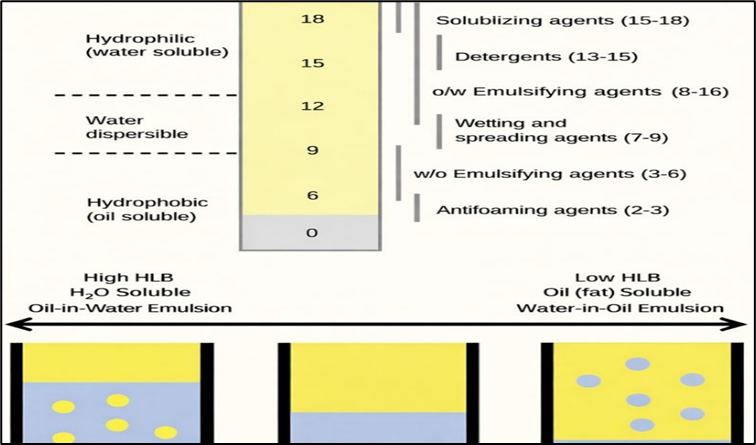
The combination of hydrophilic and lipophilic characteristics in one molecule gives it the distinctive property that the emulsifier can dissolve in fat as well as in water, and can aid in mixing the two fractions. The key indicator for selecting an emulsifier is hydrophilic-lipophilic balance (HLB), ranging from 0 to 20 which reveals the degree of fat or water solubility. Lower HLB indicates a more lipophilic or fat-soluble emulsifier. On the other hand, higher HLB indicates a more water soluble or hydrophilic emulsifier. Ideally, the emulsifier should be soluble in the continuous phase as the Bancroft rule states (1912). For the soluble condition known as the ‘fat-rich environment’ mixed in a small amount of water, an emulsifier with a lower HLB is advised, and vice versa. Because of birds consume water 1.5-2 times more than feed; the diet should contain a small amount of fat and the water amount should exceed fat in digestive tract. In this situation, a high HLB is more appropriate.

Fig. 3. HLB scale and its influence on surfactant functionality and emulsion types (Al-Yami et al. 2018)
9. Lipifier‑DS: –

Lipifier‑DS contains a blend of hydrolysed phospholipids—including LPC, LPE, LPI, LPA, other lysophospholipids—along with glyceryl polyethylene glycol ricinoleate coating.

a) Mechanism of Action of Lipifier-DS

Lipifier-DS function based on their solubility. If the emulsifier is more soluble in water, it forms an oil-in-water (O/W) emulsion, ideal for fat digestion in poultry. Conversely, if it is more soluble in oil, it forms a water-in-oil (W/O) emulsion. The emulsification process helps break down fat droplets into smaller micelle particles that remain dispersed in the water phase, allowing digestive enzymes to act more efficiently and resulting in availability of extra metabolizable energy to the birds. Exogenous emulsifiers are molecular surfactants with both hydrophobic and hydrophilic properties. The hydrophobic end with fatty acids is directed to the oil phase, while the hydrophilic end with sucrose, glycol, glycerol, sorbitol or polyglycerol is directed to the aqueous phase, forming a “molecular bridge” by decreasing surface tension that inhibits the coalescing of hydrolysed lipid droplets into large molecules.  

b) Key Features of Lipifier-DS

  • It contains Glyceryl Polyethylene Glycol Ricinoleate (PEGR) coating for stable and efficient emulsification.
  • Lipifier-DS has optimized HLB (Hydrophilic–Lipophilic Balance) value of 9–12, ensuring effective emulsification and superior fat utilization.
  • Highly efficient energy contributor — 250 g of Lipifier-DS provides 40,000 Kcal/kg, equivalent to approximately 4.25 kg of soybean oil. Enhances dietary energy efficiency while reducing dependence on added oil sources.

c) Benefits of Lipifier-DS

  • Enhances growth performance and improves feed conversion ratio (FCR) in broilers.
  • Improves egg production performance and increases egg size in layers.
  • Enhances digestion and absorption of fats and fat-soluble vitamins.
  • Promotes better absorption of essential nutrients.
  • Ensures effective emulsification by forming a stable emulsion with PEGR coating.
  • Improves fat digestibility and maximizes energy availability.
  • Extracts greater nutritional value from feed, improving overall nutrient utilization.

10. Conclusion:

Stallen South Asia Pvt. Ltd.’s has Lipifier-DS is an effective exogenous emulsifier that enhances fat utilization and nutrient absorption in poultry diets. By promoting efficient emulsification through a stable PEGR coating, it improves energy availability and feed efficiency, supporting better growth and FCR in broilers, enhanced egg performance in layers, and overall higher production efficiency.

References

BLANCH, A., BARROETA, C., BAUCELLS, M.D., SERRANO, X. and PUCHAL, F. (1996), Utilisation of different fats and oils by adult chickens as a source of energy, lipid and fatty acids. Animal Feed Science and Technology 61: 335-342.

NOY, Y. and SKLAN, D. (1998) Metabolic responses to early nutrition. Journal of Applied Poultry Research 7: 437-451.

Kussaibati R, Guillaume J and Leclercq B. 1982. The effects of age, dietary fat and bile salts, and feeding rate on apparent and true metabolisable energy values in chickens. British Poultry Science 23(5): 393–403.

Meng X, Slominski B A and Guenter W. 2004. The effect of fat type, carbohydrase, and lipase addition on growth performance and nutrient utilization of young broilers fed wheat-based diets. Poultry Science 83(10): 1718–27.

LEESON, S. and ATTEH, J.O. (1995) Utilisation of fats and fatty acids by turkey poults. Poultry Science 74: 2003-2010.

ROY, A.S., HALDAR, S., MONDAL, T. and GHOSH, K. (2010) Effects of supplemental exogenous emulsifier on performance, nutrient metabolism, and serum lipid profile in broiler chickens. Veterinary Medicine International: Art. ID 262604.

ASHRAF, M. (2007) Use of Emulsifiers in High Fat Level Diets of Broilers. Doct thesis, Dept Animal Production, Faculty of Agriculture, Al Azhar University, Cairo, Egypt, 235, 2007.

MELEGY, T., KHALED, N., EL-BANA, R. and ABDELLATIF, H. (2010) Dietary fortification of a natural biosurfactant, lysolecithin in broiler. African Journal of Agriculture Research 5: 2886-2892.

UDOMPRASERT, P. and RUKKWAMSUK, T. (2006) Effect of an exogenous emulsifier on growth performance in weanling pigs. Kasetysart Journal of Natural Science 40: 652-656.

Zhang B, Haitao L, Zhao D, Guoand Y and Barri A. 2011. Effect of fat type and lysophosphatidylcholine addition to broiler diets on performance, apparent digestibility of fatty acids and apparent metabolisable energy content. Feed Science and Technology 163: 177–84.

AL-MARZOOQI, W. and LEESON, S. (1999) Evaluation of dietary supplements of lipase, detergent and crude porcine pancreas on fat utilisation by young broiler chicks. Poultry Science 78: 1561-1566.

Siyal F A, Babazadeh D, Wang C, Arain M A, Saeed M, Ayasan T, Zhang L and Wang T. 2017. Emulsifiers in poultry industry- A review. World Poultry Science Journal 73: 1–6.

Schaible P J. 1970. Poultry: Feeds and Nutrition. 2nd Edn., The AVI Publishing Co. USA.

Polin D and Hussein T H. 1982. The effect of bile acid on lipid and nitrogen retention, carcass composition, and dietary metabolizable energy in very young chicks. Poultry Science 61(8): 1697–1707.

FROBISH, L.T., HAYS, V.W., SPEER, V.C. and EWAN, R.C. (1969) Effect of diet form and emulsifying agents on fat utilisation by young pigs. Journal of Animal Science 29: 320-324.

CHAE, B.J., LOHAKARE, J.D. and CHOI, J.Y. (2006) Effects of incremental levels of α-tocopherol acetate on performance, nutrient digestibility and meat quality of commercial broilers. Asian-Australian Journal of Animal Sciences 19: 203-208.

GU, X. and LI, D. (2003) Fat nutrition and metabolism in piglets: A review. Animal Feed Science and Technology 109: 151-170.

BANCROFT, W.D. (1912) The theory of emulsification VI. The Journal of Physical Chemistry 17: 501-519.
Technical Bulletin: Probiotic in commercial poultry production: A sustainable Approach to gut Health and Performance

Dr. Amit V. Janbandhu & Dr. Sanjay Singhal

1. Introduction

The poultry industry is among the most efficient sectors of agriculture, making a significant contribution to livelihood generation and global nutritional security. The global poultry population currently exceeds 26.8 billion birds (FAO, 2020). From 1961 to 2019, worldwide poultry meat production increased to approximately 132 million tonnes annually, representing nearly 37% of total global meat production (FAO, 2020). This growing demand for animal‑derived foods is primarily driven by rapid population growth, rising income levels, and increasing urbanization (FAO, 2020).

To satisfy the rising demand for meat and eggs, modern poultry production systems operate under intensive rearing conditions, exposing birds to continuous physiological stress. As a result, antibiotics have been extensively used for disease prevention, growth promotion, and immune enhancement. However, the indiscriminate use of antibiotics has hastened the emergence of antimicrobial resistance among pathogenic bacteria (Garcia‑Migura et al., 2014; Roth et al., 2019). The World Health Organization has identified antimicrobial resistance as “a serious threat to public health worldwide that requires action across all government sectors and society” (WHO Factsheets, 2015). Antibiotic‑resistant bacteria can enter the human food chain through animal‑derived products, posing substantial public health risks (Cui et al., 2005). Moreover, fresh meat products may act as reservoirs of antibiotic‑resistance genes that can be transferred to humans through regular consumption (Diarrassouba et al., 2007). In response to the escalating challenge of antimicrobial resistance, the livestock industry is increasingly exploring effective alternatives to conventional antibiotics, with probiotics emerging as a promising and sustainable solution.

2. What Is Probiotics?

The concept of probiotics was first introduced in the early 1900s by the Russian‑born Nobel laureate Elie Metchnikoff, who demonstrated that the regular consumption of beneficial microorganisms could positively influence gastrointestinal health (Metchnikoff, 1907). His observations of populations that consumed fermented milk products led to the hypothesis that beneficial intestinal microflora enhance resistance to pathogenic organisms. The term probiotics is derived from Greek, meaning “pro‑life” (Shokryazdan et al., 2017a, 2017b). According to the FAO/WHO, probiotics are defined as “live organisms which, when administered in adequate amounts, confer a health benefit on the host” (FAO/WHO Joint Report, 2001).

Probiotics are widely recognized for their ability to modulate gut microflora and enhance immune responses (Chen et al., 2012) and are extensively applied in both clinical and veterinary practices (Abushelaibi et al.). In livestock production, probiotic supplementation has been associated with improved growth performance, production efficiency, disease resistance, nutrient digestibility, immune function, and fecal microbial balance (Lan et al., 2017). In recent years, non‑specific immunomodulators—including probiotics, prebiotics, synbiotics, postbiotics, polysaccharides, organic acids, enzymes, and essential oils—have gained considerable attention as alternatives to conventional antibiotics and are increasingly used to promote gut health in poultry birds (Callaway et al., 2017).

3. Probiotic and Related Biotic Agents in Poultry

The species currently being used in probiotic preparations are varied and many. These are mostly Lactobacillus bulgaricus, Lactobacillus acidophilus, Lactobacillus casei, Lactobacillus helveticus, Lactobacillus lactis, Lactobacillus salivarius, Lactobacillus plantarum, Streptococcus thermophilus, Enterococcus faecium, Enterococcus faecalis, Bifidobacterium spp. and Escherichia coli. With two exceptions, these are all intestinal strains. The two exceptions, Lactobacillus bulgaricus and Streptococcus thermophilus, are yoghurt starter organisms (Fuller et.al, 1989). Some other probiotics are microscopic fungi such as strains of yeasts belonging to Saccharomyces cerevisiae species (Guillot et.al, 1998).

In broiler nutrition, probiotic species belonging to Lactobacillus, Streptococcus, Bacillus,

Bifidobacterium, Enterococcus, Aspergillus, Candida, and Saccharomyces have a beneficial effect on broiler performance (Tortuero et.al, 1973), modulation of intestinal microflora and pathogen inhibition, intestinal histological changes, immunomodulation, certain haematobiochemical parameters, improving sensory characteristics of dressed broiler meat and promoting microbiological meat quality of broilers (Kabir et.al, 2005).

The International Scientific Association of Probiotics and Prebiotics defines prebiotics as “a substrate that is selectively utilized by host microorganism conferring a health benefit” (Gibson et al., 2017). Synbiotics are defined as a “synergistic combination of probiotics and prebiotics that are beneficial for the host by improving the development and colonization of live microorganisms in the gut” (FAO/WHO joint report, 2002). Postbiotics are defined as “the preparation of inanimate microorganism and/or their components that confer a health benefit on the host” (Salminen et al., 2021).

Given their safety, efficacy, and sustainability, probiotics have gained considerable attention as viable alternatives to antibiotics. This article outlines the status, mechanisms, and use of probiotics in poultry as alternatives to antibiotics.”

4. The concept of probiotics

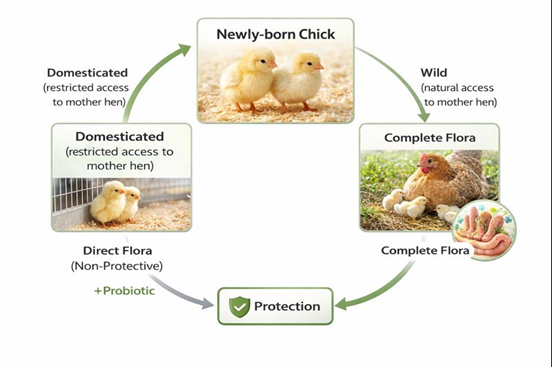
In healthy, non-stressed poultry, a dynamic balance exists between beneficial and non-beneficial gut bacteria, which is essential for optimal performance. Stress disrupts this balance by reducing beneficial flora, particularly lactobacilli, allowing overgrowth of harmful microorganisms. This imbalance may result in clinical conditions such as diarrhea or subclinical effects that impair growth and feed efficiency. Although the protective gut microflora is relatively stable, it can be influenced by key factors including excessive hygiene, antibiotic use, and stress. Under natural conditions, chicks acquire a complete and protective gut microflora through contact with the hen, providing resistance against infection. In contrast, commercially reared chicks hatch in sanitized incubators lacking normal intestinal microorganisms. Gut colonization may be influenced by eggshell microbiota and the onset of gastric HCl secretion at approximately 18 days of incubation, which affects microbial selection. Consequently, early probiotic supplementation is particularly important in poultry, as chicks are deprived of maternal microbial transfer and can benefit from microbial preparations that restore protective gut microflora (Fuller et al., 2001).

Figure 1. Schematic representation of the concept of probiotics (modified from (Fuller et.al, 2001).

5.Mechanism of action of probiotics

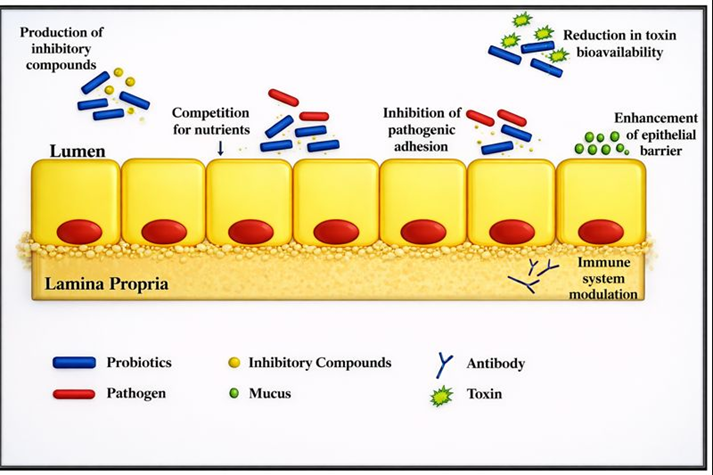
Probiotics place a key role in gut microbial health. The mechanisms of action of probiotics mainly include two, i.e. competitive exclusion and immune system modulation.

Competitive exclusion of pathogens by probiotics includes:

 (a) production of inhibitory compounds like bacteriocins, mucins, defensins, etc. (b) preventing the adhesion of pathogens, (c) competition for nutrients, (d) reduction of toxin bioavailability, and (e) modulation of the host immune system including the enhancement of both innate and adaptive immunity (Hernandez-Patlan et al., 2020).

a) Secretion of inhibitory compounds

Probiotics inhibit pathogenic bacteria through the production of antimicrobial compounds, including antimicrobial peptides (AMPs) such as bacteriocins, as well as organic acids, hydrogen peroxide, ethanol, diacetyl, and carbon dioxide (Liao & Nyachoti, 2017). Bacteriocins are ribosomally synthesized AMPs that suppress pathogens by disrupting cell wall synthesis or forming membrane pores while sparing beneficial gut microbiota (Cotter et al., 2013). Pediocin A from Pediococcus pentosaceus, divercin from Carnobacterium divergens, and nisin from Lactococcus lactis have shown inhibitory effects against Clostridium perfringens and improved broiler performance (Grilli et al., 2009). Synergistic bacteriocin activity with other biomolecules has been reported against multiple pathogens (Rishi et al., 2014). Organic acids reduce intracellular pH and disrupt bacterial metabolism and membranes, while lactic acid bacteria inhibit Salmonella, Listeria monocytogenes, and Escherichia coli without harming intestinal epithelium (Ricke, 2003). Additional inhibitory effects are mediated by ethanol, diacetyl, and carbon dioxide (Ingram, 1989).

b) Inhibition of pathogenic adhesion

Probiotics prevent pathogen colonization by competitively blocking adhesion sites on intestinal epithelial cells, a key criterion for selecting effective probiotic strains . Probiotic adhesion stimulates mucosal immunity and promotes the secretion of mucins and defensins, thereby strengthening the epithelial barrier (Bermudez-Brito et al., 2012). Mucins are highly glycosylated glycoproteins that form the mucus layer and inhibit pathogen attachment and colonization (Collado et al., 2005). Interactions between probiotic surface proteins and intestinal epithelial cells further exclude pathogens. Defensins, small cationic antimicrobial peptides, inhibit bacterial growth by disrupting membranes or cell wall synthesis and can neutralize bacterial toxins (Ayabe et al., 2000).

c) Competition for nutrients

Probiotics limit pathogen growth by competing for essential nutrients and occupying intestinal epithelial adhesion sites, thereby restricting pathogen attachment in the gastrointestinal tract . This competitive exclusion reduces pathogen proliferation and colonization and creates unfavorable conditions for pathogen survival (Callaway et al., 2008). Competitive exclusion has been demonstrated in vitro using chicken intestinal mucosa (Hirn et al., 1992). In vivo studies show that early supplementation with lactobacillus-based probiotics (1 × 10⁵ CFU/mL, 1–7 days of age) significantly reduced Salmonella colonization in chicks (Penha Filho et al., 2015).

d) Reduction in toxin bioavailability

Probiotics like lactobacillus help the reduction in the uptake of pathogenic toxins in the intestinal cells. The positive effects of LAB-based probiotics had helped in the reduction of toxin expression in the gut. Lactic acid bacteria are known for their natural barriers against mycotoxins which are harmful compounds for animals. A few strains can also eradicate the detrimental reactions of aflatoxins on human and animal health (Abbes et al., 2016).

e) Modulation of the host immune system

Probiotics modulate host immunity by interacting with intestinal epithelial cells, dendritic cells, macrophages, and lymphocytes. These interactions enhance innate immune defenses by limiting pathogen proliferation and reinforcing epithelial barriers through increased mucus and antimicrobial peptide production. Intestinal epithelial and dendritic cells recognize probiotics via pattern recognition receptors, initiating immune signaling cascades. Activation of antigen-presenting cells stimulates adaptive immunity through T- and B-cell responses. Probiotics regulate cytokine expression and suppress intestinal inflammation by downregulating TLR and NF-κB signaling pathways. Enhanced IgA and IgG responses have been observed in broilers supplemented with probiotic strains such as Clostridium butyricum and Lactobacillus plantarum (Han et al., 2018).

Fig. 2. Mode of action of probiotics. It starts with the secretion of inhibitory compounds leading to inhibition of the pathogen adhesion to the epithelial layer of the GI tract besides creating competition for nutrients among pathogens thereby reducing their colonization. Also, it helps in diminishing the toxin bioavailability and modulates the immune system of the host by activating adaptive and innate immunity.

6. Single- and multi-strain probiotics

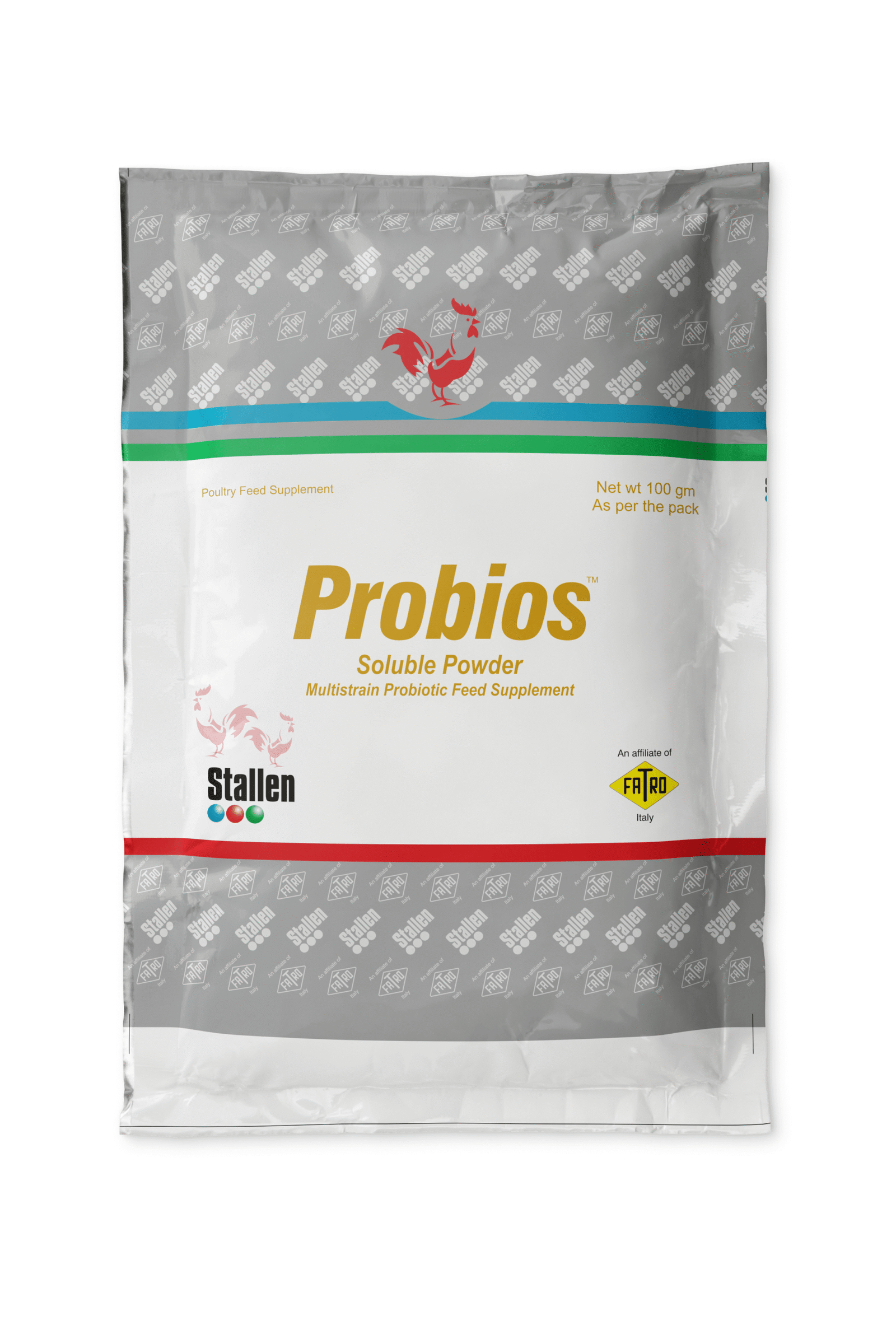
Probiotics are classified as single- or multi-strain formulations. Single-strain probiotics contain one microbial species, commonly Lactobacillus, Bifidobacterium, Streptococcus, Pediococcus, Enterococcus, Bacillus, Saccharomyces, and Micrococcus. Multi-strain probiotics combine multiple strains or genera to provide complementary benefits and have been shown to improve growth performance and gut health in broilers, including under disease challenge conditions. Commercial products such as Probios from Stallen South Asia private Ltd contain diverse probiotic combinations. Probiotic efficacy depends on strain composition and viable counts, with variable outcomes reported (Aalaei et al., 2018).

a) Bacillus

Many strains of Bacillus have potential against pathogenic bacteria. A group of researchers isolated 200 Bacillus strains from the faeces of broiler chicken and many strains among them showed activity against C. perfringens in in vitro conditions. A study suggested that B. subtilis strain SP6 when used in a field trial, the mortality of chicken infected with Necrotic enteritis was reduced to half. It also reduced the number of C. perfringens and enhanced the intestinal health of chickens. Regular use of B. licheniformis supplementation reduced mortality and increased the performance among the chicks (Knap et al., 2010).

b) Yeast

Yeasts possess antimicrobial and immunomodulatory properties, largely due to β-glucans that stimulate host immunity. They inhibit pathogens by producing mycocins, degrading toxins, preventing epithelial adhesion, and competing for nutrients. Saccharomyces boulardii improves intestinal health and reduces Salmonella enteritidis infection, while recombinant Pichia pastoris expressing Clostridium perfringens α-toxin enhances broiler performance (Gil de Lossantos et al., 2005).

c) Enterococci

Enterococci produce bacteriocins (enterocins) with activity against Gram-positive and Gram-negative bacteria . Enterococcus faecium supplementation reduces Clostridium perfringens, alleviates coccidiosis, and improves growth performance and nutrient utilization in broilers. Enhanced IgA production, immune responses, and microbiome modulation have also been reported with E. faecium and E. faecalis supplementation (Beirão et al., 2018)

7. Beneficial effects of probiotics on poultry

a) Effects on growth performance and productivity

Probiotics improve body weight gain, feed intake, feed conversion ratio, and overall productivity in poultry. Supplementation with Pediococcus acidilactici and Bacillus subtilis enhances egg quality, increases eggshell thickness, and reduces yolk cholesterol. Multi-strain probiotics improve egg production and mitigate heat-stress effects. Probiotics also enhance meat microbiological quality, reduce Salmonella enteritidis contamination, and improve nutrient metabolism and growth performance (Bailey et al., 2000).

b) Effects on serum biochemistry

Probiotic supplementation significantly modulates serum biochemistry in poultry by reducing total cholesterol, LDL, VLDL, triglycerides, uric acid, and liver enzymes (ALT, AST), while increasing protein and calcium levels . Lactobacillus spp., Enterococcus faecium, and Bacillus subtilis reduce cholesterol absorption and improve lipid metabolism in broilers and layers (Kalavathy et al., 2003).

c) Effect on health and immunity

Probiotics enhance poultry health and immunity by modulating gut microbiota and immune signaling. Lactic acid bacteria (LAB) regulate pro- and anti-inflammatory cytokines (IL-1β, IL-6, IL-10, IFN-γ, TNF-α) and suppress inflammation through NF-κB and TLR-mediated pathways. Supplementation with Clostridium butyricum, Lactobacillus spp., and Saccharomyces cerevisiae enhances gut flora, T-cell responses, intraepithelial lymphocyte activity, and mucosal immunity in broilers (Yang et al., 2012).

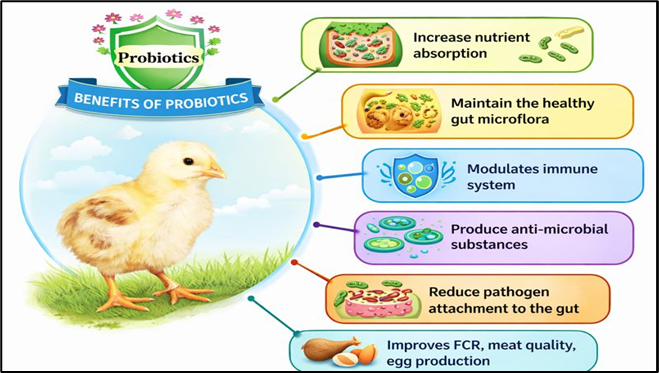
Fig. 3. Positive effects of probiotics on poultry

Table 1. Few studies showing the potentials of probiotics in poultry.

Table 2. Impact of probiotics on chicken production

8.Probios

Probios contains nine different species of beneficial microflora, each at a concentration of 2 × 10⁸ CFU. These include Bifidobacterium bifidum, Lactobacillus acidophilus, Lactobacillus bulgaricus, Lactobacillus casei, Lactobacillus plantarum, Streptococcus faecium, and Streptococcus thermophilus, along with beneficial yeasts such as Torulopsis spp. and Aspergillus spp.

a) Mechanism of action Probios :

Production of lactic acid in the gut which reduce the pH and provides unfavorable conditions for pathogenic bacteria. Probios help in production of antibacterial compounds like lysozyme, lactoferrin, lactoperoxidase and bacteriocins. These compounds are bacteriostatic and bacteriocidal in nature. It reduces toxin production by suppressing the growth and colonization of E. coli. It increases Immunostimulation by increasing macrophage and lymphocyte activity. It rigorously competes with intestinal harmful microbes by competitive exclusion mechanism which help to restrict detrimental colonization to bind with receptors in the mucus layer. It helps in barrier function by improving mucin glycoproteins secretion through mucus producing cells to yield a dense mucus layer that helps to decrease intracellular permeability to pathogens.

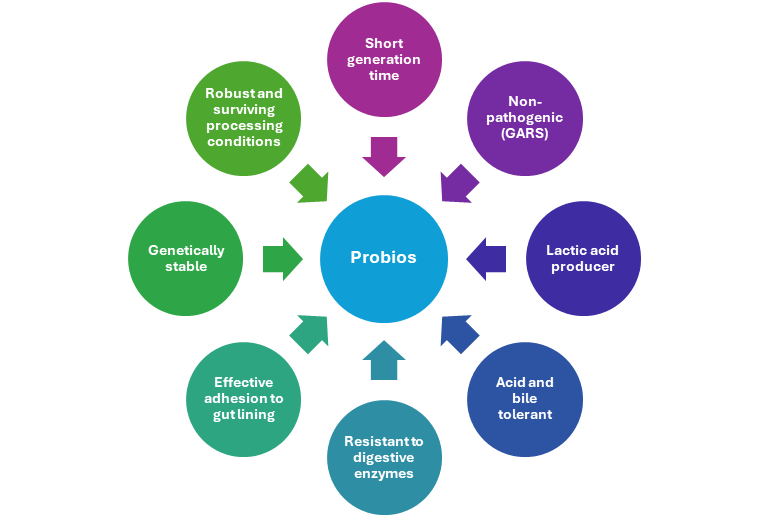
b) Charecteristic Of Probios

c) Benefits of Probios

  1. Minimize different kind of stress such as debeaking, vaccination and summer stress.
  2. Helps to maintain healthy gastrointestinal tract after antibiotic therapy.
  3. Reduce the incidents of chick mortality.
  4. Quicker detoxification of mycotoxins.
  5. Improves protein and fat synthesis.
  6. Improves enzymatic activity.
  7. Improves weight gain and FCR in broilers.
  8. Improves egg production, egg quality and shell quality in layers and breeders.
  9. Improves litter condition.
  10. Rapidly absorbed from the intestines to provide quick result.
  11. Very effective for mixed and gastro‑intestinal tract infections.

d) Comparision between Probios and common probiotic

ProbiosCommon Probiotic
Made from direct fed microbial (DFM)Made from spores
Contains 9 strains of microflora i.e. multistrainContains 2 to 3 species of microflora
Curdling of milk is observed when a teaspoon of Probios is added to milk, kept overnightNo curdling of milk is observed
High concentration of viable cellsLow concentration of viable cells
More viable in GI tractLess viable in GI tract
Withstands pelletization temperatureDoes not withstand pelletization temperature
Longer shelf lifeShorter shelf life

9.Conclusion:

Probios,  has demonstrated significant positive effects on poultry health and productivity. Its supplementation enhances gut enzyme activity, protein and fat metabolism, feed efficiency, fiber digestion, and organic phosphorus utilization, leading to improved body weight gain and feed conversion ratio in broilers. Probios also supports better litter conditions, reduces stress and mortality, promotes the development of intestinal mucous glands and villi, and maintains a healthy gastrointestinal tract. In layers and breeders, it improves egg production, egg quality, and shell strength. Additionally, Probios contributes to mycotoxin detoxification without causing adverse effects, making it a safe and effective probiotic solution for sustainable poultry production.

References

FAO, 2020, Gateway to poultry production and products.  http:// www. fao. org/ poult ry- produ ction- produ cts/ produ ction/ poult ry- speci es/ en/. Accessed on June 11, 2020.

Garcia-Migura, L., Hendriksen, R. S., Fraile, L., & Aarestrup, F. M. (2014). Antimicrobial resistance of zoonotic and commensal bacteria in Europe: The missing link between consumption and resistance in veterinary medicine. Veterinary Microbiology, 170, 1–9.

Roth, N., Kasbohrer, A., Mayrhofer, S., Zitz, U., Hofacre, C., & Domig, K. J. (2019). The application of antibiotics in broiler production and the resulting antibiotic resistance in Escherichia coli: A global overview. Poultry Science, 98(4), 1791–1804.

WHO Factsheets. Antimicrobial resistance. April 2015. Available at: http:// www. who. int/ media centre/ facts heets/ fs194/ en. Accessed September 14, 2015.

Cui, S., Ge, B., Zheng, J., & Meng, J. (2005). Prevalence and antimicrobial resistance of Campylobacter spp. and Salmonella serovars in organic chickens from Maryland retail stores. Applied and Environmental Microbiology, 71, 4108–4111.

Diarrassouba, F., Diarra, M. S., Bach, S., Delaquis, P., Pritchard, J., Topp, E., & Skura, B. J. (2007). Antibiotic resistance and virulence genes in commensal Escherichia coli and Salmonella isolates from commercial broiler chicken farms. Journal of Food Protection, 70, 1316–1327.

Metchnikoff, E. (1907). Lactic acid as inhibiting intestinal putrefaction. In M. P. Chalmers (Ed.), The Prolongation of Life: Optimistic Studies (pp. 161–183).

Shokryazdan, P., FaselehJahromi, M., Liang, J. B., & Ho, Y. W. (2017a). Probiotics: From isolation to application. Journal of the American College of Nutrition, 36(8), 666–676. https:// doi. org/ 10. 1080/ 07315 724. 2017. 13375 29.

Shokryazdan, P., FaselehJahromi, M., Liang, J. B., Ramasamy, K., Sieo, C. C., & Ho, Y. W. (2017b). Effects of a Lactobacillus salivarius mixture on performance, intestinal health, and serum lipids of broiler chickens. PLoS ONE, 12(5), e0175959.

Food and Agriculture Organization/World Health Organization: “Report of a Joint FAO/WHO Expert Consultation on Evaluation of Health and Nutritional Properties of Probiotics in Food Including Powder Milk with Live Lactic Acid Bacteria.” Cordoba, Argentina: Author, 2001.

Chen, C. Y., Tsen, H. Y., Lin, C., Yu, B., & Chen, C. (2012). Oral administration of a combination of select lactic acid bacteria strains to reduce the Salmonella invasion and inflammation of broiler chicks. Poultry Science,91(9), 2139–2147.

Abushelaibi, A., Al-mahadin, S., El-tarabily, K., Shah, N. P., & Ayyash, M. (2017). Characterization of potential probiotic lactic acid bacteria isolatedfrom camel milk. LWT Food Science and Technology, 79, 316–325.

Lan, R., Tran, H., & Kim, I. (2017). Effects of probiotic supplementation in different nutrient density diets on growth performance, nutrient digestibility, blood profiles, faecal microflora and noxious gas emission in weaning pig. Journal Ofthe Science of Food and Agriculture, 97, 1335–1341.

Callaway, T. R, Edrington, T. S, Byrd, J., & Nisbet, D. J. (2017). Use of direct-fed microbials in layer hen production-performance response and Salmonella control, producing safe eggs: the microbial ecology of Salmonella. Pages 301−322 in Producing Safe Eggs. S. C. Ricke and R. K. Gast, eds. Academic Press, Cambridge, MA.

Gibson, G. R., Hutkins, R., Sanders, M. E., Prescott, S. L., Reimer, R. A., Salminen, S. J., Scott, K., Stanton, C., Swanson, K. S., Cani, P. D., Verbeke, K., & Reid, G.(2017). Expert consensus document: The international scientific association for probiotics and prebiotics (ISAPP) consensus statement on the definition and scope of prebiotics. Nature Reviews Gastroenterology and Hepatology, 14, 491.

Food and Agriculture Organization of the United Nations/World Health Organization (FAO/WHO). Guidelines for the Evaluation of Probiotics in Food. In Joint FAO/WHO Working Group on Drafting Guidelines for the Evaluation of Probiotics in Food; WHO: London, ON, Canada, 2002.

Salminen, S., Collado, M. C., Endo, A., Hill, C., Lebeer, S., Quigley, E. M. M., Sanders, M. E., Shamir, R., Swann, J. R., Szajewska, H., & Vinderola, G. (2021). The international scientific association of probiotics and prebiotics (ISAPP) consensus statement on the definition and scope of postbiotics. Nature Reviews. Gastroenterology and Hepatology, 18, 649–667.

https:// doi. org/ 10. 1038/ s41575- 021- 00440-6.

Tortuero, F. Influence of the implantation of Lactobacillus acidophilus in chicks on the growth,

feed conversion, malabsorption of fats syndrome and intestinal flora. Poult. Sci. 1973, 52,

197-203.

Kabir, S.M.L.; Rahman, M.M.; Rahman, M.B. Potentiation of probiotics in promoting

microbiological meat quality of broilers. J. Bangladesh Soc. Agric. Sci. Technol. 2005, 2, 93-96.

Fuller, R. Probiotics in man and animals. J. Appl. Bacteriol. 1989, 66, 365-378.

Guillot, J.F. Les probiotiques en alimentation animale. Cah. Agric. 1998, 7, 49-54.

Fuller, R. The chicken gut microflora and probiotic supplements. J. Poult. Sci. 2001, 38, 189-196.

Liao, S. F., & Nyachoti, C. M. (2017). Using probiotics to improve swine gut health and nutrient utilization. Animal Nutrition, 3, 331–343. https:// doi. org/ 10. 1016/j. aninu. 2017. 06. 007.

Cotter, P. D., Ross, R. P., & Hill, C. (2013). Bacteriocins— a viable alternative to antibiotics? Natures Reviews Microbiology, 11, 95–105.

Grilli, E., Messina, M. R., Catelli, E., Morlacchini, M., & Piva, A. (2009). Pediocin A improves growth performance of broilers challenged with Clostridium perfringens. Poultry Science, 88, 2152–2158.

Rishi, P., Preet Singh, A., Garg, N., & Rishi, M. (2014). Evaluation of nisin-β-lactam antibiotics against clinical strains of Salmonella enterica serovar Typhi. Journal of Antibiotics, 67, 807–811.

Ricke, S. C. (2003). Perspectives on the use of organic acids and short chain fatty acids as antimicrobials. Poultry Science, 82, 632–639.

Ingram, L. O. (1989). Ethanol tolerance in bacteria. Critical Reviews in Biotechnology, 9, 305–319.

Bermudez-Brito, M., Plaza-Diaz, J., Munoz-Quezada, S., Gomez-lorente, C., & Gil, A. (2012). Probiotic mechanisms of action. Annals of Nutrition and Metabolism, 61, 160–174.

Collado, M. C., Gueimonde, M., Hernandez, M., Sanz, Y., & Salminen, S. (2005). Adhesion of selected Bifidobacterium strains to human intestinal mucus and the role of adhesion in entero pathogen exclusion. Journal of Food Protection, 68, 2672–2678.

Ayabe, T., Satchell, D. P., Wilson, C. L., Parks, W. C., Selsted, M. E., & Ouellette, A. J. (2000). Secretion of microbicidal alpha-defensins by intestinal Paneth cells in response to bacteria. Nature Immunology, 1, 113–118.

Callaway, T. R., Edrington, T. S., Anderson, R. C., Harvey, R. B., Genovese, K. J., Kennedy, C. N., Venn, D. W., & Nisbet, D. J. (2008). Probiotics, prebiotics, and competitive exclusion for prophylaxis against bacterial disease. Animal Health Research Reviews, 9(2), 217–225.

Hirn, J., Nurmi, E., Johansson, T., & Nuotio, L. (1992). Long-term experience with competitive exclusion and salmonellas in Finland. International Journal of Food Microbiology, 15, 281–285.

Penha Filho, R. A. C., Diaz, S. J. A., Fernando, F. S., Chang, Y. F., Andreatti Filho, R. L., & Junior, A. B. (2015). Immunomodulatory activity and control of Salmonella Enteritidis colonization in the intestinal tract of chickens by Lactobacillus based probiotic. Veterinary Immunology and Immunopathology, 167, 64–69.

Abbes, S., Ben Salah-Abbes, J., Jebali, R., Younes, B. R., & Oueslati, R. (2016). Interaction of aflatoxin B1 and fumonisin B1 in mice causes immunotoxicity and oxidative stress: Possible protective role using lactic acid bacteria. Journal of Immunotoxicology, 13, 46–54.

Han, J., Wang, Y., Song, D., Lu, Z., Dong, Z., Miao, H., Wang, W., He, J., & Li, A. (2018). Effects of Clostridium butyricum and Lactobacillus plantarum on growth performance, immune function, and volatile fatty acid level of caecal digesta in broilers. Food and Agricultural Immunology, 29,

797–807.

Aalaei, M., Khatibjoo, A., Zaghari, M., Taherpour, K., Akbari Gharaei, M., & Soltani, M. (2018). Comparison of single- and multi-strain probiotics effects on broiler breeder performance, egg production, egg quality and hatchability. British Poultry Science, 59(5), 531–538.

Sampath, V., Koo, D. H., Lim, C. B., & Kim, I. H. (2021). Supplemental effect of lactobacillus

plantarum on the growth performance, nutrient digestibility, gas emission, excreta microbiota, and meat quality in broilers. Brazilian Journal of Poultry Science, 23(04), 001–008.

Knap, I., Lund, B., Kehlet, A. B., Hofacre, C., & Mathis, G. (2010). Bacillus licheniformis prevents necrotic enteritis in broiler chickens. Avian Diseases., 54, 931–935.

De Los, G., Santos, J. R., Storch, O. B., & Gil-Turnes, C. (2005). Bacillus cereus var. toyoii and Saccharomyces boulardii increased feed efficiency in broilers infected with Salmonella enteritidis. British Poultry Science, 46(4), 494–497.

Beirao, B. C. B., Ingberman, M., Favaro, C., Jr., Mesa, D., Bittencourt, L. C., Fascina, V. B., & Caron, L. F. (2018). Effect of an Enterococcus faecium probiotic on specific IgA following live Salmonella Enteritidis vaccination of layer chickens. Avian Pathology, 47(3), 325–333.

Bailey, J. S., Stern, N. J., & Cox, N. A. (2000). Commercial field trial evaluation of mucosal starter culture to reduce Salmonella incidence in processed broiler carcasses. Journal Food Protection, 63(7), 867–870.

Kalavathy, R., Abdullah, N., Jalaludin, S., & Ho, Y. W. (2003). Effects of Lactobacillus cultures on growth performance, abdominal fat deposition, serum lipids and weight of organs of broiler chickens. British Poultry Science, 44(1), 139–144.

Yang, C. M., Cao, G. T., Ferket, P. R., Liu, T. T., Zhou, L., Zhang, L., Xiao, Y. P., & Chen, A. G. (2012). Effects of probiotic, Clostridium butyricum, on growth performance, immune function, and cecal microflora in broiler chickens.  Poultry Science, 91, 2121–2129.

Technical Bulletin: Mycotoxin Deactivation Strategies in Poultry Nutrition

Dr. Amit V. Janbandhu & Dr. Sanjay Singhal

1. Introduction

Global demand for poultry meat and eggs is rising with population growth, intensifying production challenges, particularly feed contamination by mycotoxins (Mottet and Tempio, 2017). Corn, which constitutes approximately 65% of poultry diets in the United States, is highly susceptible to fungal growth and mycotoxin formation. These toxic secondary metabolites are commonly detected in crops, feed, and food commodities at both pre‑ and post‑harvest stages (Choudhary and Kumari, 2010).

Recent surveys confirm the widespread presence of mycotoxins in poultry feed. The 2023 dsm‑firmenich survey reported contamination in 88% of U.S. corn and corn by‑products, with 92% of finished poultry diets containing multiple mycotoxins (dsm‑firmenich, 2023). In the Midwestern United States, fumonisins (FUM), deoxynivalenol (DON), zearalenone (ZEN), and aflatoxins (AF) account for over 95% of mycotoxicosis cases (Weaver et al., 2021). Globally, fumonisin, aflatoxin, ochratoxin, DON, and ZEN are the most frequently detected mycotoxins, influenced by climatic conditions such as temperature, humidity, and drought (Greco et al., 2014; Gruber‑Dorninger et al., 2019).

Mycotoxin exposure reduces feed intake and nutrient utilization, increases susceptibility to enteric pathogens, and causes economic losses estimated at USD 0.5–1.5 billion annually (Agboola et al., 2015; Desjardins et al., 1992). Mycotoxin binders (MTB) mitigate these effects by adsorbing toxins in the gastrointestinal tract, are GRAS‑classified by the U.S. FDA, and require in vitro and in vivo validation for efficacy and nutrient safety in the EU (Di Gregorio et al., 2014; Gimeno and Martins, 2007; European Commission, 2006; Barrientos‑Velazquez et al., 2016).

2. Classification of Mycotoxin Binders

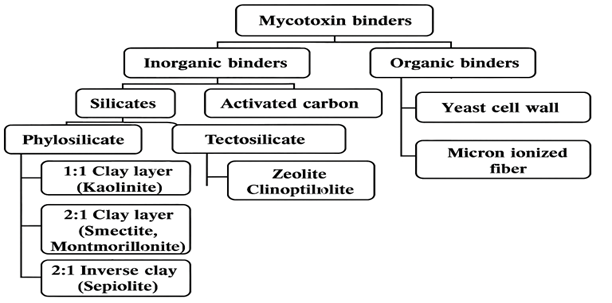
Mycotoxin binders are classified by their nature into two major groups: 1) inorganic binders constituted by silicate minerals and activated carbon (AC) binders, and 2) organic binders constituted by yeast cell wall (YCW) or micro-ionized fiber extracted from different plant materials (Figure 1).

Figure 1. A diagram representing the classification of different mycotoxin binders by their source, nature and structural composition.

2.1. Inorganic binders

There is no consensus on the classification of clay binders that is acceptable to different disciplines such as agriculture, environment, or construction applications. Therefore, we report a classification of inorganic binders based on their properties to bind mycotoxins as proposed and updated by Murray (2007).

a) Silicate binders

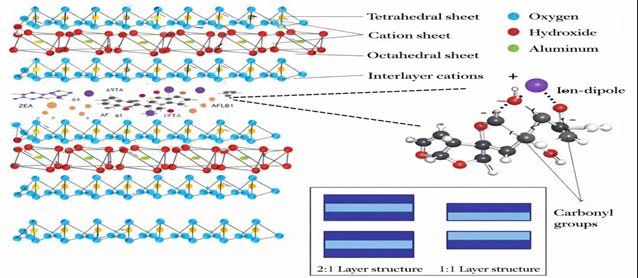
Silicates are the most abundant elements found on earth crust (Kandel, 2018). Silicate is a mineral combining silicon dioxide (SiO2 4−) with a tetrahedral structure, where the silicon ion is in the center and surrounded by four oxygen atoms. The interaction of the positive silicon charges and negative oxygen charges results in an unbalanced structure. This allows the free oxygen charges to be bound to other silicon ions forming a chain of tetrahedral structures in different combinations, resulting in chains, sheets, rings, and three-dimensional structures. The tetrahedral sheet is the basis of silicate binders where different subgroups of silicate are formed in combination with other mineral ions in bi or three-dimensional structures. The two main subclasses of silicates are phyllosilicate (sheets of silicate) or tectosilicate (framework silicate, Figure 2).

Figure 2. Molecular structure of octahedral and tetrahedral sheets of tectosilicate binders, and an illustration of the contribution of ions to the adsorption mechanism of mycotoxins.

b) Phyllosilicate binders

Phyllosilicates are bidimensional laminar or tubular minerals composed of tetrahedral silicate sheets linked to octahedral sheets of aluminum or magnesium hydroxides [(Al/MgOH)₆]. Charge imbalance within the octahedral layer, compensated by either two Al³⁺ or three Mg²⁺ ions, results in dioctahedral or trioctahedral structures. Based on layer stacking, phyllosilicates are classified as 1:1 types (e.g., kaolinite–serpentinite), consisting of one tetrahedral and one octahedral sheet, and 2:1 types (e.g., smectites), where an octahedral sheet is sandwiched between two tetrahedral sheets.

Isomorphic substitution of Si⁴⁺ or Al³⁺ with lower‑valence cations (e.g., Mg²⁺, Fe²⁺) generates negatively charged layers balanced by exchangeable interlayer cations, conferring swelling behavior and high cation‑exchange capacity essential for mycotoxin adsorption. Smectites, particularly montmorillonite, exhibit high adsorption efficiency, while bentonite, rich in montmorillonite, shows comparable binding properties (Murray, 2007).

c) Tectosilicate binders

Tectosilicate binders are crystalline aluminosilicate minerals, with zeolites as the main constituents. They are formed by three-dimensional assemblies of tetrahedral units linked through shared oxygen atoms, creating cage- or ring-like porous structures. These uniform pores contain exchangeable cations and water molecules, providing adsorption sites where potassium and calcium ions interact with mycotoxins depending on molecular size. Zeolites are classified based on crystal structure, chemical composition, cation type, pore size, and structural stability. Clinoptilolite is the most widely used zeolite due to its high resistance to low pH and elevated temperatures, functioning as a molecular sieve with pore sizes of approximately 3–8 Å. Thermal treatment or cation enrichment can further enhance its adsorption capacity (Eseceli et al., 2017).

d) Activated carbon

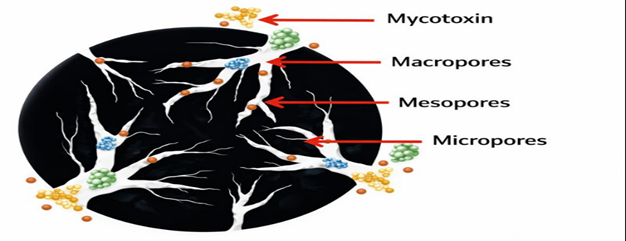
Activated carbon (AC) is an insoluble carbonaceous powder produced by pyrolysis of organic materials such as wood, bamboo, or coal at temperatures up to 2000 °C. An activation process is required to enhance its adsorption capacity by developing a highly porous structure. Chemical activation involves impregnation with agents such as KOH, H₃PO₄, or ZnCl₂ followed by heating, but often results in impurities and environmentally harmful residues. Physical activation uses oxidation with oxygen or CO₂ at 600–900 °C, producing highly microporous carbon with a large surface area (500–3000 m²/g). Adsorption efficiency is directly related to pore availability, with AC sources showing variable mycotoxin-binding capacity (Galvano et al., 1997).

Figure 3. Structure of macro and micropores of activated carbon for the adsoprtion of mycotoxins and other nutrients.

2.2. Organic binders

a) Yeast Cell Wall (YCW)

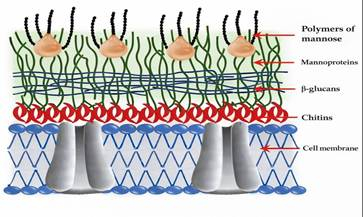
The yeast cell wall (15–30% of yeast dry weight) is the main component responsible for mycotoxin adsorption. It consists of an inner layer rich in β-(1,3)- and β-(1,6)-D-glucans (50–60%), which provide structural rigidity and binding sites, linked to the membrane by chitin. Excess chitin reduces flexibility and mycotoxin affinity. The outer layer (≈40%) is composed of glucomannans and mannoproteins that determine surface properties. Mycotoxin-binding capacity increases with higher β-D-glucan content in the yeast strain (Jouany et al., 2005).

Figure 4. The composition of different yeast cell wall sheets and their components (adapted from Talavera et al., 2013).

b) Micro-ionized fiber
Micro‑ionized fibers are emerging mycotoxin binders (MTB) capable of adsorbing a wide range of mycotoxins. Various plant‑derived biomaterials, including grape pomace and stem, olive pomace, alfalfa hay, and wheat straw, have shown binding efficiencies ranging from 27 to 90%, depending on the material and mycotoxin type. Their adsorption relies on physico‑chemical interactions between mycotoxins and fiber components such as lignin, cellulose, and polyphenols, similar to silicate or activated carbon binders. However, high inclusion rates (≈20 kg/t) limit their use in monogastric diets, while ruminant diets may better tolerate them (Čolović et al., 2019).

3. Adsorption Mechanism of Different Binders

3.1. Mycotoxin binder properties

a) Silicate binders (clays and zeolites)

Silicate binders adsorb mycotoxins mainly through cation exchange capacity (CEC) and surface charge interactions, which are strongly influenced by pH and point of zero charge (PZC). At low pH, protonation reduces adsorption, whereas higher pH exposes negative charges that facilitate binding of cations interacting with mycotoxin carbonyl groups via weak ion‑dipole and Van der Waals force. Interlayer spacing is critical; sodium bentonite shows greater aflatoxin adsorption than calcium bentonite, while zeolites are limited by smaller pore size. Structural and organic modifications further enhance adsorption efficiency (Jaynes & Zartman, 2011).

b) Activated carbon (AC)

Activated carbon adsorbs mycotoxins primarily via hydrophobic interactions and π‑bonding, showing greater affinity for non‑polar toxins. Activation processes increase surface oxygen‑containing functional groups, enhancing polarity and enabling adsorption of polar mycotoxins such as aflatoxins and fumonisins. Adsorption efficiency is determined by surface area and pore size distribution, which must match mycotoxin molecular dimensions (Goto et al., 2015).  The adsorption efficiency of activated carbon (AC) is strongly influenced by pore size and pore size distribution.

 AC pores are classified into three categories: micropores (<2 nm), mesopores (2–50 nm), and macropores (>50 nm). Micropores contribute most to surface area and adsorption capacity, while meso- and macropores facilitate diffusion. If the pore size is not compatible with the molecular size of mycotoxins, diffusion into the pores is restricted. Limited accessibility to the internal pore surface reduces overall adsorption efficiency of AC.

c) Yeast cell wall (YCW)

Yeast cell wall binders act mainly through β‑ (1,3)‑D‑glucans, which interact with mycotoxins via Van der Waals forces between aromatic rings and glucan structures, as well as hydrogen bonding with hydroxyl, ketone, and lactone groups. Three‑dimensional conformational compatibility between the mycotoxin and glucan helices enhances complex stability and binding strength (Yiannikouris et al., 2004).

4. Mycotoxin properties

Physico-chemical characteristics of mycotoxins significantly influence the adsorption capacity of MTB (Galvano et al., 1997).

Classification of mycotoxins can be based on:

  • Polarity
  • Solubility
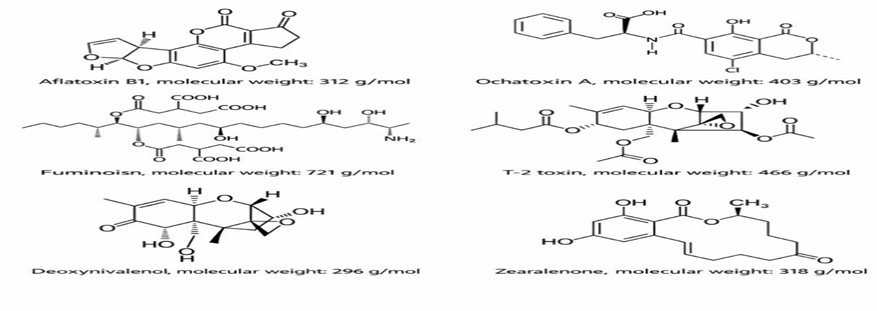
  • Chemical structure (Figure 5)

a) Polarity

Polarity reflects the charge distribution within a mycotoxin molecule. Mycotoxins can be classified as polar, non-polar, or intermediate. Aflatoxins (AF) and fumonisins (FUM) are the most polar mycotoxins. Zearalenone (ZEA) is non-polar. Deoxynivalenol (DON), T-2 toxin, and ochratoxin A (OTA) exhibit intermediate polarity.

b) Solubility

Solubility of mycotoxins in the surrounding medium is crucial for effective adsorption. Most mycotoxins are soluble in organic solvents such as methanol, acetonitrile, and acetone. Water solubility depends on polarity: More polar mycotoxins are generally more soluble in water.

c) Chemical structure, size, and shape

These structural features strongly affect the adsorption efficiency of mycotoxins. Aflatoxins (AF) are small, flat molecules, allowing easy entry into the interlayer spaces of binders, leading to higher adsorption. Fumonisins (FUM) have a large, branched molecular structure, which restricts their access to the interlayer space of MTB, resulting in reduced adsorption (Galvano et al., 1996).

Figure 5. Chemical structure of the major mycotoxins and their molecular weight.

Table 1. Different types of Mycotoxins

Table 2. Summary of studies that determine the capacity of different mycotoxin binders to adsorb nutrients

¹MMT, montmorillonite.
²AC, activated carbon.
³HSCAS, hydrated sodium calcium aluminosilicate.

Table 3. Regulatory guidance levels for major mycotoxins in finished poultry feed as established by the European Union (EU) and United States Food and Drug Administration (FDA). Values are expressed in mg/kg diet. EU limits in finished feed set according to the European Commission Recommendation 2006/576/EC and the European Commission Directive 2003/100/EC; USA limits in finished feed set according to the Food and Drug Administration regulatory guidance for toxins and contaminants.

Table 4. Ranges of ratios of mycotoxin binder to mycotoxins doses used in in vitro tests to determine the mycotoxin adsorption capacity of different mycotoxin binders

1AC, activated carbon; HSCAS, hydrated sodium calcium aluminosilicate; MMT, montmorillonite; YCW, yeast cell wall. 2AFB1, aflatoxin B1; DON, deoxynivalenol; FUM, Fumonisin; OTA, ochratoxin; T-2, T-2 toxin; ZEA, zearalenone.

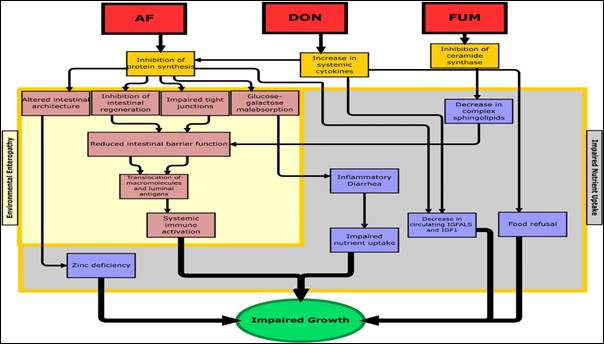
Figure 6. A conceptual framework for the effect of mycotoxin exposure on growth retardation (Smith et.al.2012).

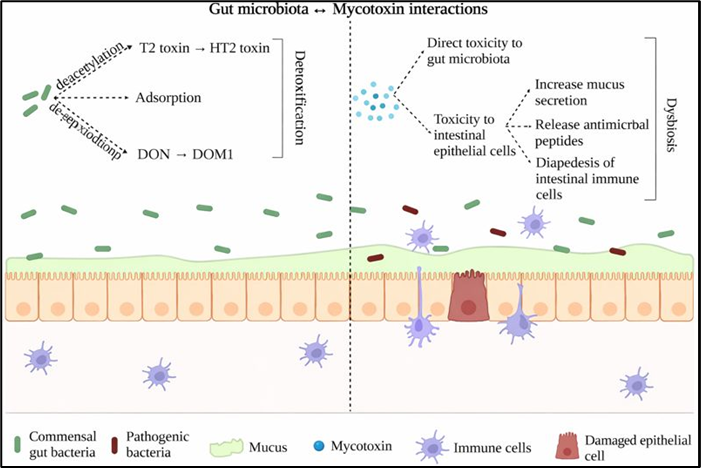
Fig. 7. Gut microbiota and mycotoxins interactions. Illustration of the bidirectional interactions between gut microbiota and dietary mycotoxins in poultry. Mycotoxins can disrupt microbial community structure, reduce beneficial populations, and impair microbially derived functions, including short-chain fatty acid (SCFA) production and mucosal barrier maintenance. Conversely, the gut microbiota can biotransform certain mycotoxins into less toxic metabolites or modulate host responses to exposure. Disruption of this balance may compromise gut integrity, immunity, and overall performance.

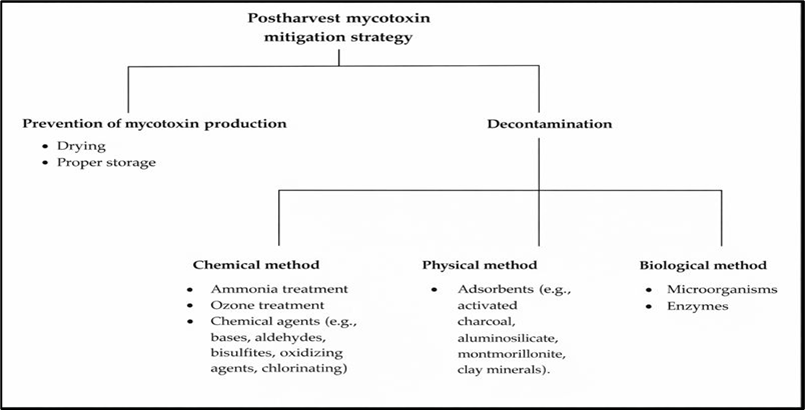
Figure 8. Diagrammatic representation for postharvest mycotoxin mitigation strategies in broiler and layer chickens’ production.

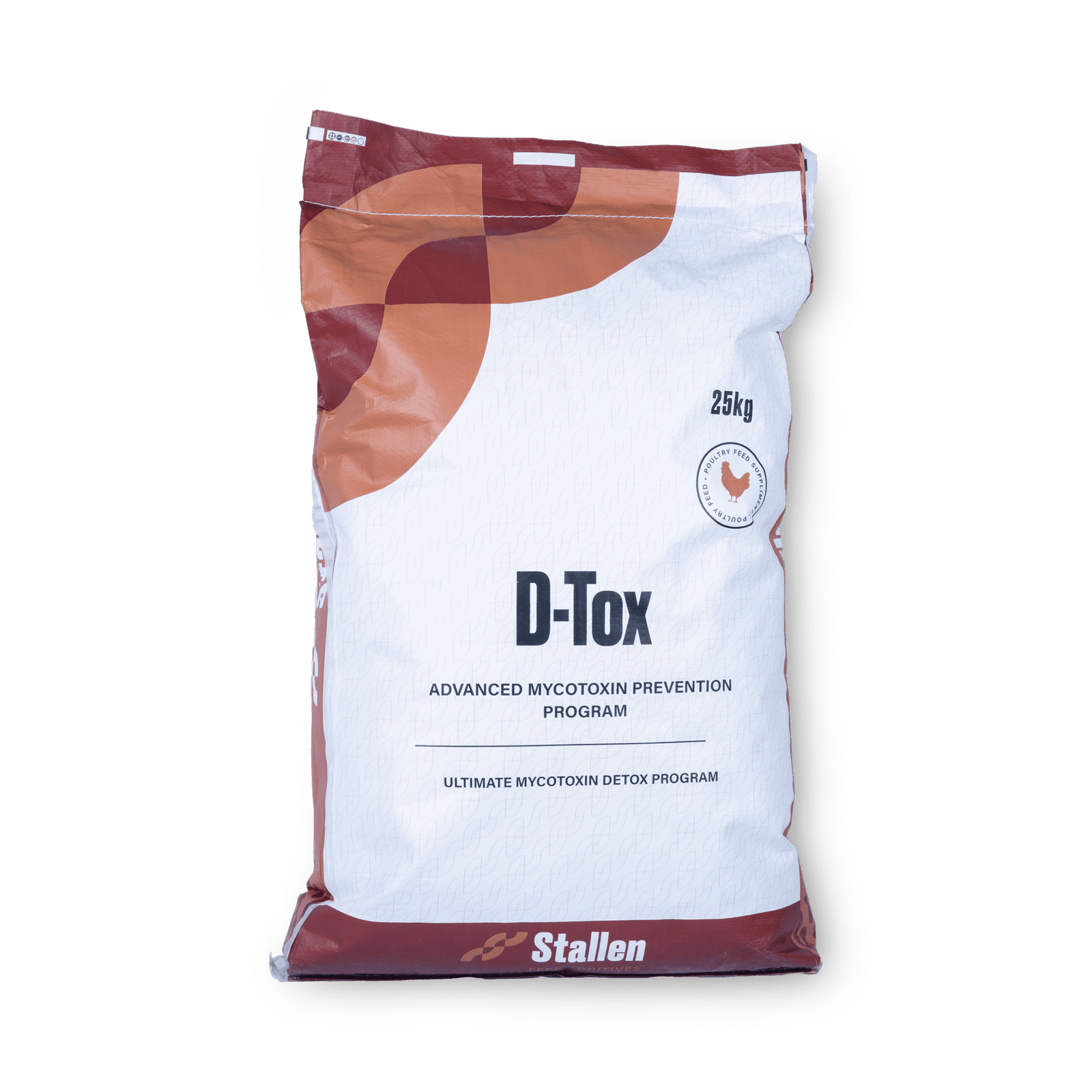
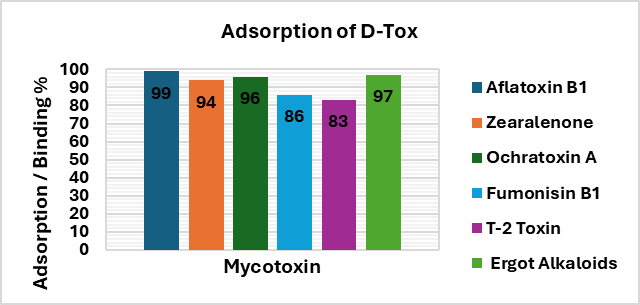
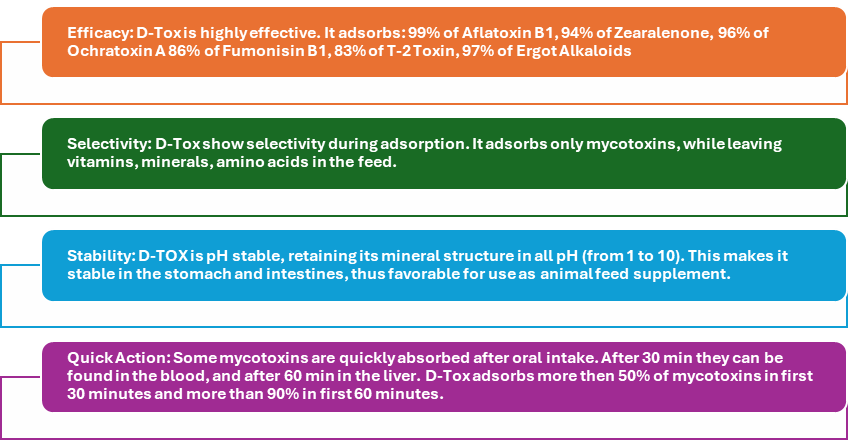
Stallen offers a comprehensive range of world‑class mycotoxin binders, including D‑Tox and Alusil MOS Plus, both of which provide broad‑spectrum protection against diverse mycotoxins commonly found in poultry feed.

5.2. The characteristic features of D-Tox compare with other common toxin binder.

  1. Binding efficacy of D-Tox to various mycotoxins
  1.  Features of D-TOX

5.3. D-Tox Benefits:

D‑Tox provides effective and comprehensive control of all major categories of mycotoxins, thereby improving performance and productivity in poultry.

6. Alusil MOS Plus

Alusil MOS Plus contains HSCAS (Activated Hydrated Sodium Calcium Aluminosilicates), activated charcoal, MOS (Mannan Oligosaccharides), copper oxinate, organic acids (propionic, benzoic, acetic, and sorbic acids), lipotropic agents, and spirulina.

6.1. Mechanism of action of Alusil MOS Plus

HSCAS acts as an enterosorbent that tightly and selectively binds aflatoxins in the GI tract of animals decreasing their bioavailability and associated toxicity. Mannan Oligosaccharides act as bio-binder which helps absorption of pathogens, improves intestinal function & immune modulation. Organic acids kill harmful bacteria and fungi. Activated charcoal which is 200 MT grade helps to bind pesticides and toxins like ochratoxin. Copper oxinate is broad spectrum anti-fungal agent which acts against spp. of Aspergillus, Fusarium, Penicillium, Candida etc. Lipotropic agent and herbal ingredients help in mobilizing fat which are accumulated in liver due to damage caused by toxins. Spirulina helps in restoring the liver damaged by toxins.

6.2. The characteristic features of Alusil MOS Plus over other toxin binder.

6.3. Alusil MOS Plus Benefits:

Alusil MOS Plus acts as a broad-spectrum mould inhibitor and supports bio-neutralization of mycotoxins, helping prevent toxin-related damage and overcome clinical symptoms of aflatoxicosis. It protects the immune system, enhances vaccine and drug response, improves pellet quality, functions as an anti-caking agent in feed, and does not bind essential vitamins and minerals.

7. Conclusion

Stallen South Asia Pvt. Ltd. offers effective toxin binders, D-tox and Alusil MOS Plus, which are helpful in the detoxification of mycotoxins in poultry. D-tox provides broad‑spectrum control of both polar and non‑polar mycotoxins through pH‑stable adsorption and pre‑absorptive detoxification, without binding amino acids, fat‑soluble vitamins, minerals, or micronutrients. It also sequesters heavy metals, endotoxins, and biogenic amines, reducing immunosuppression. Alusil MOS Plus alleviates aflatoxicosis, protects immune function, enhances vaccine and drug response, and improves feed quality through anticaking and pellet‑stabilizing effects.

References

Agboola, A.F., Omidiwura, B.R.O., Odu, O., Odupitan, F.T., Iyayi, E.A., 2015. Effect of probiotic and toxin binder on performance, intestinal microbiota and gut morphology in broiler chickens. Journal of Animal Science Advances 5(7), 1369. https://doi.org/10.5455/jasa.20150709085312.

Barrientos-Velazquez, A.L., Arteaga, S., Dixon, J.B., Deng, Y., 2016. The effect of pH, pepsin, exchange cation, and vitamins on aflatoxin adsorption on smectite in simulated gastric fluids. Applied Clay Science 120, 17–23. https://doi.org/10.1016/j.clay.2015.11.014.

Čolović, R., Puvača, N., Cheli, F., Avantaggiato, G., Greco, D., Đuragić, O., Pinotti, L., 2019. Decontamination of mycotoxin-contaminated feedstuffs and compound feed. Toxins 11, 617. https://doi.org/10.3390/toxins11110617.

Choudhary, A.K., Kumari, P., 2010. Management of mycotoxin contamination in preharvest and post-harvest crops: present status and future prospects. Journal of Phytology 2.

Desjardins, A., Plattner, R., Shackelford, D., Leslie, J., Nelson, P., 1992. Heritability of fumonisin B1 production in Gibberella fujikuroi mating population A. Applied and Environmental Microbiology 58, 2799–2805.

Di Gregorio, M.C., Neef, D.V., Jager, A.V., Corassin, C.H., Carao, A.C.P., Albuquerque, R., Azevedo, A.C., Oliveira, C.A.F., 2014. Mineral adsorbents for prevention of mycotoxins in animal feeds. Toxin Reviews 33, 125–135. https://doi.org/10.3109/15569543.2014.905604.

Eseceli, H., Ozcan, M.A., Demir, E., Bilal, T., 2017. Increasing the adsorption of clinoptilolite as toxin binder by heat treatment. Bulgarian Journal of Veterinary Medicine 20, 18–26.

European Commission (EC), 2006. EC regulation No 401/2006 laying down the methods of sampling and analysis for the official control of the levels of mycotoxins in foodstuffs. Official Journal of the European Communities L 70, 12–34.

Food and Drug Administration (FDA), 2001. Guidance for Industry: Fumonisin levels in human foods and animal feeds; Final guidance. US FDA, Silver Spring, MD, USA.

Galvano, F., Pietri, A., Bertuzzi, T., Bognanno, M., Chies, L., Angelis, A., Galvano, M., 1997. Activated carbons: in vitro affinity for fumonisin B1 and relation of adsorption ability to physicochemical parameters. Journal of Food Protection 60, 985–991. https://doi.org/10.4315/0362-028X-60.8.985.

Gimeno, A., Martins, M.L., 2007. Micotoxinas y micotoxicosis en animales y humanos. 1st ed. Miami, FL, USA: Special Nutrients; p. 128.

Goto, T., Amano, Y., Machida, M., Imazeki, F., 2015. Effect of polarity of activated carbon surface, solvent and adsorbate on adsorption of aromatic compounds from liquid phase. Chemical and Pharmaceutical Bulletin 63, 726–730. https://doi.org/10.1248/cpb.c15-00039.

Greco, M.V., Franchi, M.L., Rico Golba, S.L., Pardo, A.G., Pose, G.N., 2014. Mycotoxins and mycotoxigenic fungi in poultry feed for food-producing animals. The Scientific World Journal, 1–10. https://doi.org/10.1155/2014/968215.

Gruber-Dorninger, C., Jenkins, T., Schatzmayr, G., 2019. Global mycotoxin occurrence in feed: a ten-year survey. Toxins 11, 375. https://doi.org/10.3390/toxins11070375.

Jaynes, W.F., Zartman, R.E., 2011. Aflatoxin toxicity reduction in feed by enhanced binding to surface-modified clay additives. Toxins 3, 551–565. https://doi.org/10.3390/toxins3060551.

Jouany, J.P., Yiannikouris, A., Bertin, G., 2005. How yeast cell wall components can alleviate mycotoxicosis in animal production and improve the safety of edible animal products. Journal of Animal Science 14, 171–190. https://doi.org/10.22358/jafs/70361/2005.

Kandel, R., 2018. Potential for using aluminosilicates for removal of heavy metals and mycotoxins from feed and water [Master’s thesis]. Ås, Norway: Norwegian University of Life Sciences.

Mottet, A., Tempio, G., 2017. Global poultry production: current state and future outlook and challenges. World’s Poultry Science Journal 73, 245–256.

Murray, H.H., 2007. Developments in clay science: Occurrences, processing and applications of kaolins, bentonites, palygorskite–sepiolite, and common clays, Vol. 2. UK: Elsevier Science & Technology; pp. 1–180.

Smith, L., Stoltzfus, R., Prendergast, A., 2012. Food chain mycotoxin exposure, gut health, and impaired growth: A conceptual framework. Advances in Nutrition 3, 526–531. https://doi.org/10.3945/an.112.002188.

Weaver, A.C., Weaver, D.M., Adams, N., Yiannikouris, A., 2021. Co-occurrence of 35 mycotoxins: a seven-year survey of corn grain and corn silage in the United States. Toxins 13, 516.

Yiannikouris, A., Francois, J., Poughon, L., Dussap, C.G., Bertin, G., Jeminet, G., Jouany, J.P., 2004. Adsorption of zearalenone by β-D-glucans in the Saccharomyces cerevisiae cell wall. Journal of Food Protection 67, 1195–1200. https://doi.org/10.4315/0362-028X-67.6.1195.

WhatsApp Bot