
Blogs

” The Burden of Salmonella in Poultry: Implications for Health, Productivity, and Biosecurity “

Salmonella is a leading cause of foodborne illness globally, with non-typhoidal serotypes like S. Enteritidis and S. Typhimurium responsible for the majority of gastroenteritis cases. In India, though national surveillance data is limited, reports under the Integrated Disease Surveillance Programme (IDSP) show hundreds of foodborne outbreaks annually, with thousands affected. Vulnerable groups such as infants and immune compromised individuals are particularly at risk, as even low doses of Salmonella can trigger severe illness. South Asia reports an estimated 2.2 cases of invasive non-typhoidal Salmonella per 100,000 people annually, with a high fatality rate. Poultry—especially chicken meat and eggs—remains a primary reservoir, with multiple studies indicating widespread contamination and rising antimicrobial resistance, posing significant public health risks.

With increasing demand for poultry and growing concerns over antibiotic resistance, India faces the challenge of balancing production efficiency with food safety. Regulatory moves to restrict antibiotic use, combined with consumer preference for antibiotic-free meat, are pushing the industry towards alternative control strategies. Preharvest measures like biosecurity, improved farm hygiene, and feed additives, along with postharvest controls such as HACCP implementation, are being emphasized. Vaccination has become a core preventive tool; however, the need persists for more robust vaccines offering cross-protection against diverse and emerging serotypes. This review highlights the current understanding of Salmonella in poultry and explores sustainable control approaches suitable for the Indian context.

Transmission:

Salmonella primarily spreads through the faeces of infected chicks, contaminated feed, water, and litter. Human activities, such as farm visits without proper biosecurity and movement between chicken houses, also contribute to its spread. Transmission occurs via direct contact with infected birds or indirectly through contaminated environments. Vertical transmission, particularly through infected eggs, is key in sustaining outbreaks, as asymptomatic carriers can pass the bacteria to offspring for up to 14 weeks. These bacteria can survive in the environment for months under favourable conditions, though sunlight and high temperatures reduce their persistence. Wild birds, mammals, and insects, especially red mites, can act as vectors, complicating control efforts.
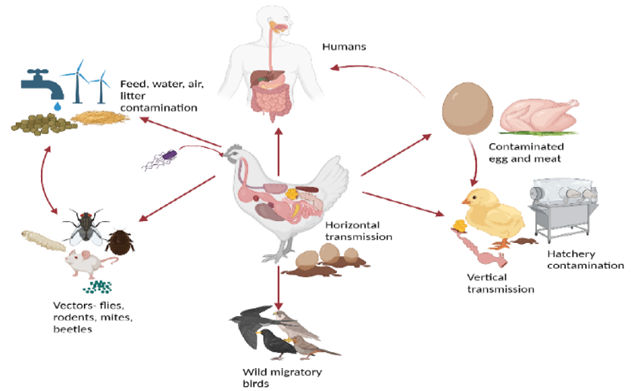
Fig.1: Transmission of Salmonella.

Pathogenesis:

             Salmonella pathogenesis starts when bacteria are ingested, surviving the stomach’s acidity to invade the intestinal mucosa using virulence factors like plasmids, toxins, fimbriae and flagella. They infect non-phagocytic cells and macrophages, triggering inflammation and evading the immune system. The bacteria spread via the bloodstream to organs like the liver, spleen and kidneys causing symptoms such as diarrhoea, loss of appetite and depression, leading to high mortality, especially in young chicks. Salmonella can be transmitted both vertically and horizontally. It induces inflammation, macrophage apoptosis, and can cause severe haemolytic anaemia, leading to rapid death. The incubation period is typically 4 to 6 days.

Clinical signs:

Pullorum disease mainly affects young birds particularly chicks under 3-4 weeks old, with peak mortality at 2-3 weeks. Infected embryos may die in the egg and recently hatched chicks often exhibit signs of acute septicaemia such as depression, weakness, loss of appetite, drooping wings, huddling, laboured breathing, dehydration, and ruffled feathers. White, viscous diarrhoea and faecal pasting around the vent are common. Older chicks may experience a less acute disease course, sometimes developing arthritis or blindness. Survivors may be underweight, poorly feathered and less productive as adults. Infections in birds older than 4 weeks are usually asymptomatic but can result in decreased egg production and fertility. Fowl typhoid affects birds of all ages with symptoms like depression, appetite loss, weight loss, dehydration, ruffled feathers, yellowish diarrhoea and respiratory distress. Older birds may experience decreased egg production, fertility, and hatchability leading to anaemia with pale, shrunken combs and wattles. Atypical outbreaks, such as one in quail characterized by decreased egg laying and high mortality without clear clinical signs can also occur.

Diagnosis:

Lesions may be highly suggestive; however, diagnosis should be confirmed by isolation, identification, and serotyping of S Pullorum. Infections in mature birds can be identified by serological tests, followed by necropsy evaluation complemented by microbiological culture and typing for confirmation.

Official testing recommendations for flocks in the US are outlined in the National Poultry Improvement Plan (NPIP). The NPIP lists approved rapid assays for Salmonella. These include, for example, PCR assay and lateral flow immunoassays. Some assays are for the general detection of all Salmonella spp. Further typing is required after these general detection assays. Other NPIP-approved rapid assays are specific for Salmonella enterica serotype enteritidis like plasmid profiling and ribotyping, aid in accurate identification and differentiation.

Postmortem lesions:

The liver is yellowish in colour with haemorrhagic streaks. In chronic cases the ovary consists of pedunculate and misshapen ovules. The most obvious lesion includes enlarged and congested liver, which becomes dark red or brown (bile-stained liver) after exposure to the atmosphere. There may be multiple necrotic areas throughout the liver. There is congestion and necrosis of the liver and spleen with catarrhal enteritis.
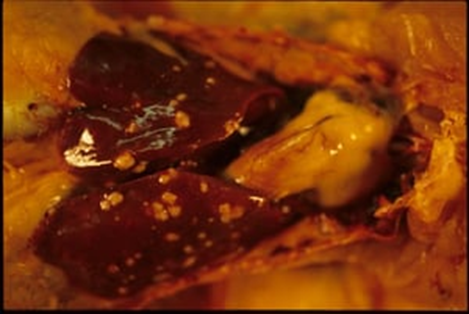
Fig. 2 Granulomatous hepatitis, liver, chicken

Antimicrobial Resistance:

Antimicrobial resistance is a growing global challenge, worsened by insufficient assessments of Salmonella resistance and lack of regulation. The easy access to antimicrobials without prescriptions, along with incomplete treatments, exacerbates the problem. In poultry farming, the overuse of antibiotics has led to the development of resistant strains, including those producing extended spectrum beta-lactamases (ESBLs), posing a serious threat to both public health and the poultry industry (Parvej et al., 2016). Resistance mechanisms include bacterial target modifications, changes in cell membrane permeability, and efflux pumps. Misuse of antibiotics has resulted in the rise of multidrug-resistant Salmonella strains, making treatment more difficult and highlighting the need for more careful antibiotic use (Farhat et al., 2023).

Prevention and control:

Preventing and controlling salmonellosis on poultry farms is essential. Key strategies include removing infected birds, keeping healthy and sick birds separate and using testing methods like tube-agglutination to screen flocks. Strong biosecurity measures, such as strict hygiene, controlled farm access, and proper management of litter, feed, and water, help reduce disease spread. Without these measures, fowl typhoid poses a significant economic threat, highlighting the need for organized control programs with accurate testing and prompt action.

Vaccination plays a crucial role in preventing and controlling salmonellosis on poultry farms. Effective vaccines can help reduce infection rates of fowl typhoidand salmonella enteritidis providing long-term protection for flocks. In addition to vaccination, strategies like early identification and removal of infected birds, routine testing, and strict biosecurity measures (e.g., hygiene, controlled farm access) are essential for minimizing disease spread. Combining vaccination with proper management of litter, feed, and water enhances flock health and reduces the economic impact of fowl typhoid, making it a key component of any comprehensive disease control program.

Stallen South Asia Pvt. Ltd. is offering a unique live vaccine BIO-VAC SGP 695, against fowl typhoid and salmonella Enteritidis.

Key features of BIO-VAC SGP 695

  • BIO-VAC SGP 695 contains the live attenuated strain SGP 695 AV of Salmonella gallinarum/pullorum that induces a strong active immunity in vaccinated pullets, against fowl typhoid, reducing mortality, clinical signs, pathological lesions, losses in eggs production and against Salmonella enteritidis infection, reducing the colonisation of internal organs and ovary.
  • In drinking water administration.
  • Stable attenuated and total apathogenicity of the vaccine strain.
  • Reduction of vaccination procedure costs.

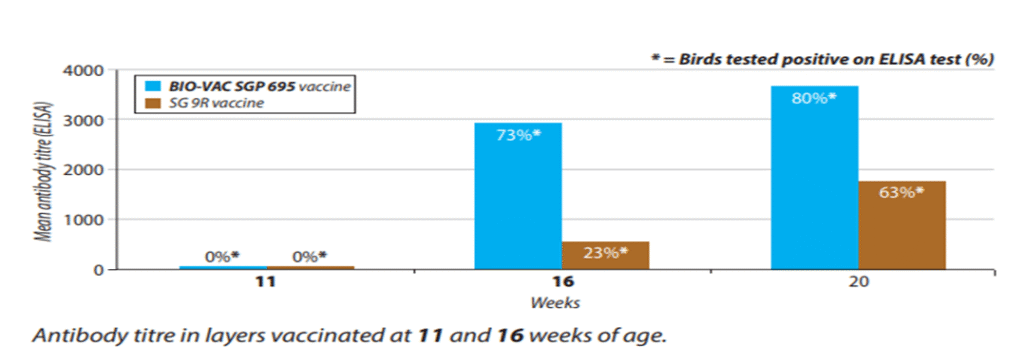
Why choose BIO-VAC SGP 695 than SG 9R salmonella vaccine?

 BIO- VAC SGP 695SG  9R vaccine
Strain695 AV (Live attenuated)9R (Rough strain with possible reversion)
CharacteristicsDoes not revert to virulencePossible reversion to virulence
Targeted InfectionsSalmonella gallinarum, Salmonella pullorum, Salmonella EnteritidisPrimarily Salmonella gallinarum (Fowl Typhoid)
AdministrationOral (via drinking water)Subcutaneous injection
Vaccination ProgramInitial dose at 6-8 weeks, second at 16-18 weeks. Early dose if early infection history.Initial dose at 6 weeks, revaccination every 12 weeks for layers.
EffectivenessBroad protection including Salmonella EnteritidisFocused on protection against Salmonella gallinarum

Fig 3: ELISA report of BIO-VAC SGP  695 and SG 9R vaccine

Dr. Kishor Gedam

Product Manager- Therapeutics

Stallen South Asia Pvt. Ltd

Dr. Sanjay Singhal

Chief Operating Officer Stallen South Asia Pvt. Ltd

References

  1. Jajere, S.M., 2019. A review of Salmonella enterica with particular focus on the pathogenicity and virulence factors, host specificity and antimicrobial resistance including multidrug resistance. Vet. World, 12: 2231-0916.
  2. Kebede, D., Z. Tekle, A. Gezahegne, G. Abdisa, R. Mulatu, A. Wondimu and A. Ayesheshum, 2019. Review on Salmonella Gallinarum-Pullorum. British Journal of Poultry Sciences, 8(1): 10-16.
  3. Davison, S., 2019. Pullorum Disease in Poultry, Laboratory of Avian Medicine and Pathology, School of Veterinary Medicine, University of Pennsylvania, pp: 1-20.
  4. Parvej, M.S., K.H. Nazir, M.B. Rahman, M. Jahan,M.F. Khan and M. Rahman, 2016. Prevalence and characterization of multi-drug resistant Enterica serovar gallinarum biovar Pullorum and gallinarum from chicken. Vet. World, 9(1): 65-70.
  5. Farhat, M., Khayi, S., Berrada, J., Mouahid, M., Ameur, N., El-Adawy, H., & Fellahi, S. (2023). Salmonella enterica Serovar Gallinarum Biovars Pullorum and Gallinarum in Poultry: Review of Pathogenesis, Antibiotic Resistance, Diagnosis and Control in the Genomic Era. Antibiotics13(1), 23.
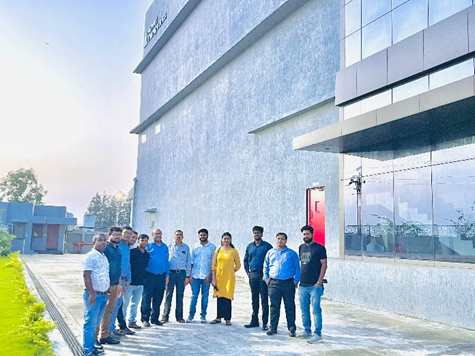
Stallen Technical Meet—November 2025, on Poultry Health & Immunization Held in Midnapore, West Bengal

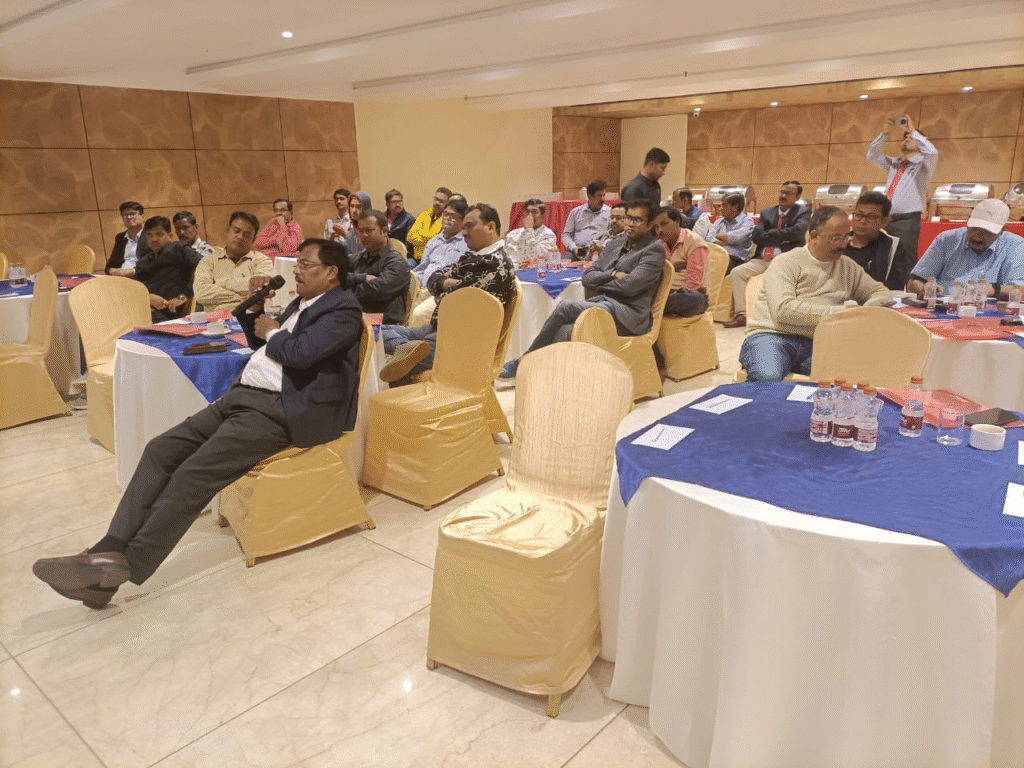
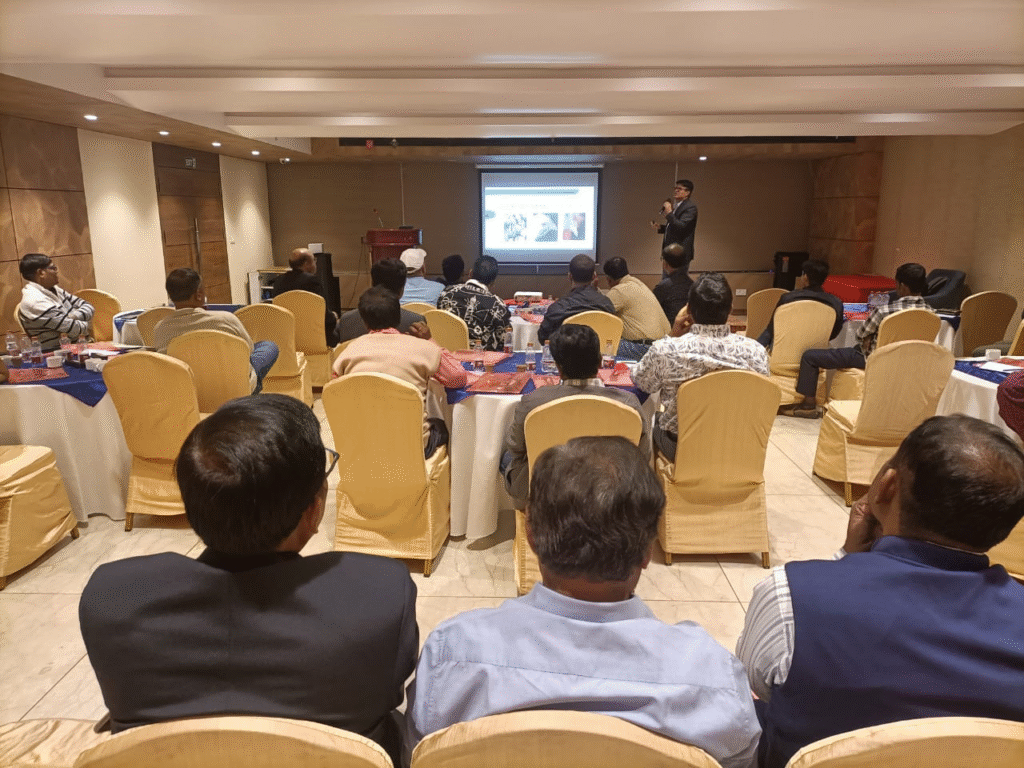
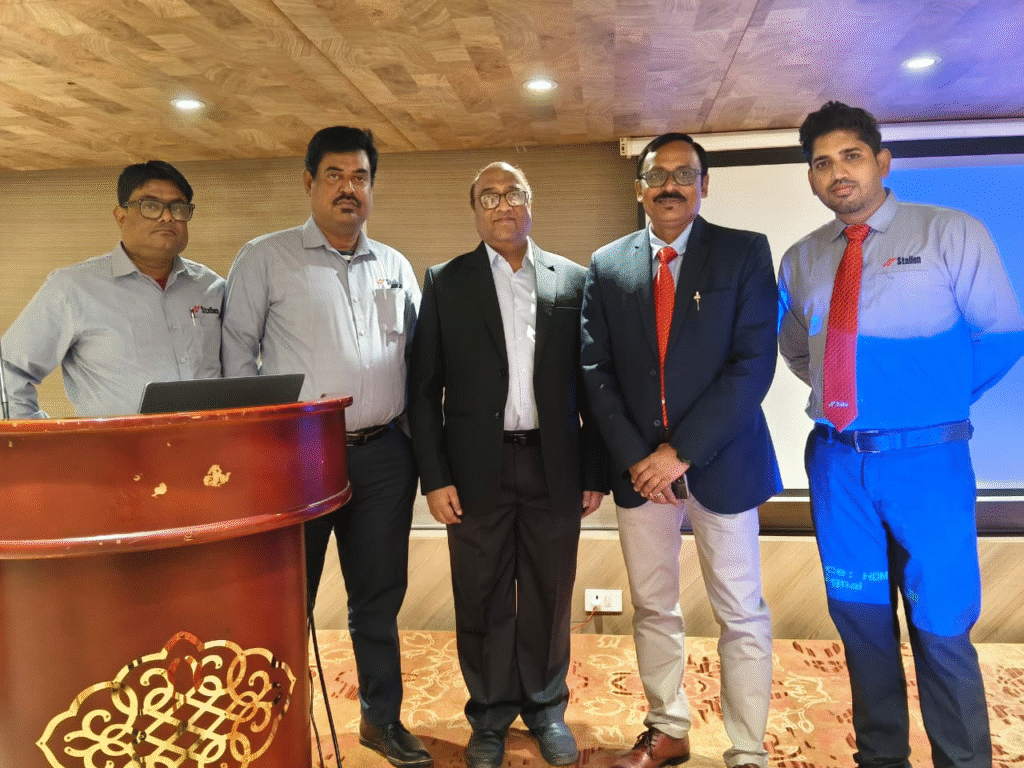
Stallen South Asia Pvt. Ltd. successfully organized a high-impact Technical Meeting for poultry farmers in Midnapore, West Bengal, on 18th November 2025. The event saw the participation of over 30 progressive layer farmers, making it a meaningful platform for scientific discussion, disease awareness, and interaction with experts. The program began with a warm welcome by Mr. Biplab Kumar Deb, Regional Manager, who emphasized the company’s commitment to strengthening poultry health management in the region through regular technical interventions and farmer engagement.

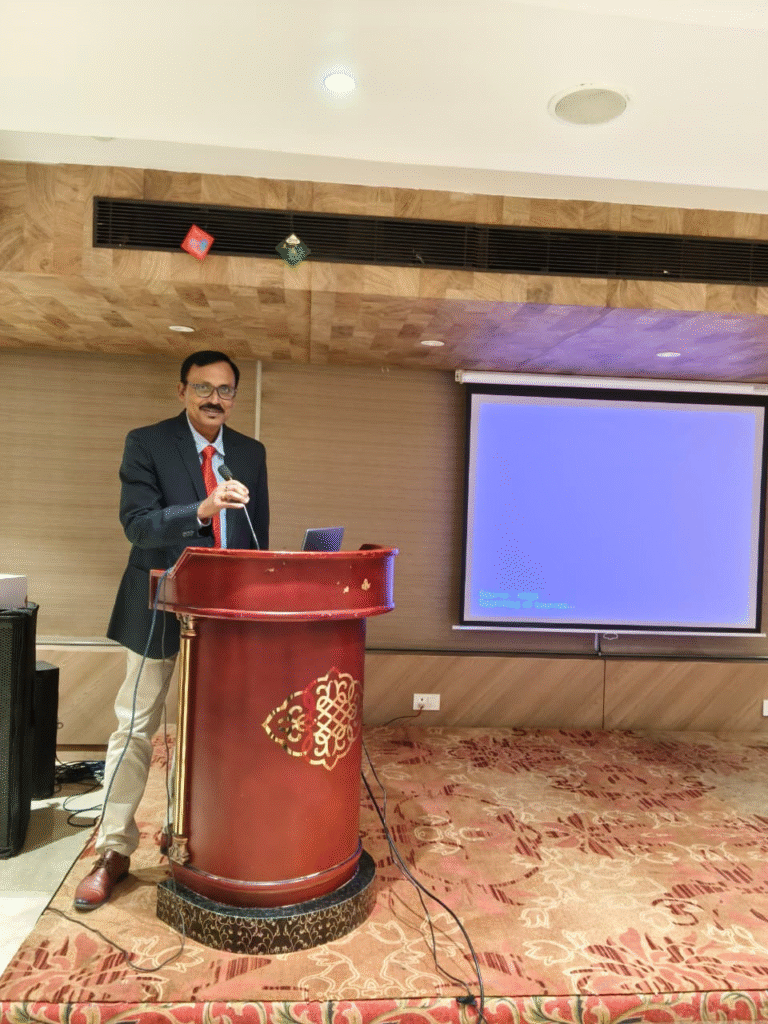
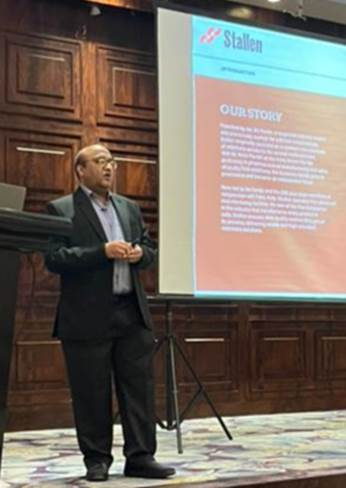
This was followed by an insightful Company Introduction delivered by Dr. Sanjay Singhal, Chief Commercial Officer. He highlighted the growth of Stallen South Asia Pvt. Ltd., its role in bringing high-quality poultry health solutions to India, and its long-standing collaboration with FATRO, Italy, a global leader in vaccine research and development. Dr. Singhal also discussed the company’s vision of delivering innovative and reliable immunization tools to Indian farmers, backed by international expertise.

The highlight of the event was an in-depth Technical Seminar by Dr. Sushil Kumar Dhariwal, a respected poultry consultant with over 17 years of experience in breeder and layer management. His session, titled “Combating RD, IB, Marek’s and Coryza: Understanding Disease Mechanisms and Immunization Strategies,” focused on the evolving challenges of respiratory and immunosuppressive diseases in layer flocks. Dr. Dhariwal explained disease mechanisms, practical vaccination approaches, and flock-level management strategies, providing farmers with actionable insights for improving immunity and reducing disease pressure.

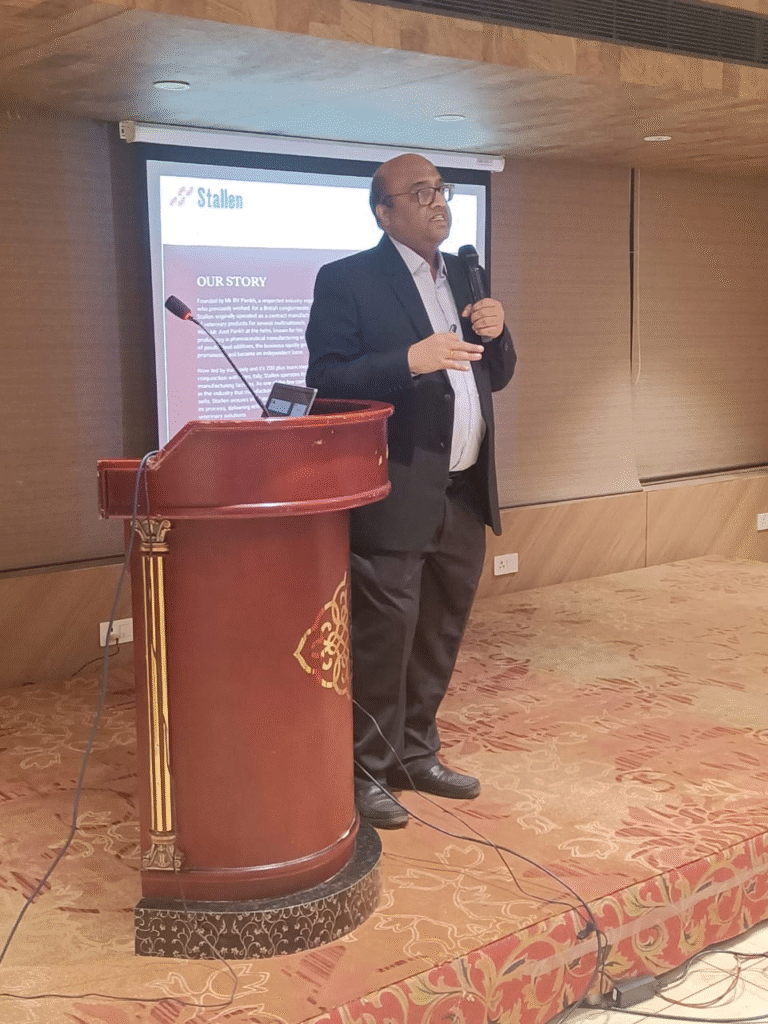
Following the seminar, Dr. Kishor Gedam, Product Manager, delivered a comprehensive Product Presentation, highlighting Stallen South Asia’s range of poultry vaccines developed in collaboration with FATRO. He discussed the science behind key vaccines used against diseases such as RD, IB, Marek’s Disease and Infectious Coryza, along with field performance, strain selection, and best practices for vaccination scheduling. His presentation helped farmers understand how effective immunization programs can significantly enhance flock performance and reduce economic losses.

The event concluded with a heartfelt vote of thanks from Team Stallen South Asia, followed by a networking dinner that encouraged open conversation between farmers and technical experts. The interactive discussions reflected the strong interest and enthusiasm among farmers to adopt improved disease-prevention strategies.

With active participation and highly positive feedback from attendees, the event reaffirmed Stallen South Asia Pvt. Ltd.’s commitment to empowering poultry farmers with global-quality vaccines, scientific knowledge and on-ground technical support.

Stallen South Asia Hosts Technical Seminar on “Comprehensive Flock Protection: Addressing Mycoplasmosis, Infectious Bronchitis & Salmonellosis” in Pune

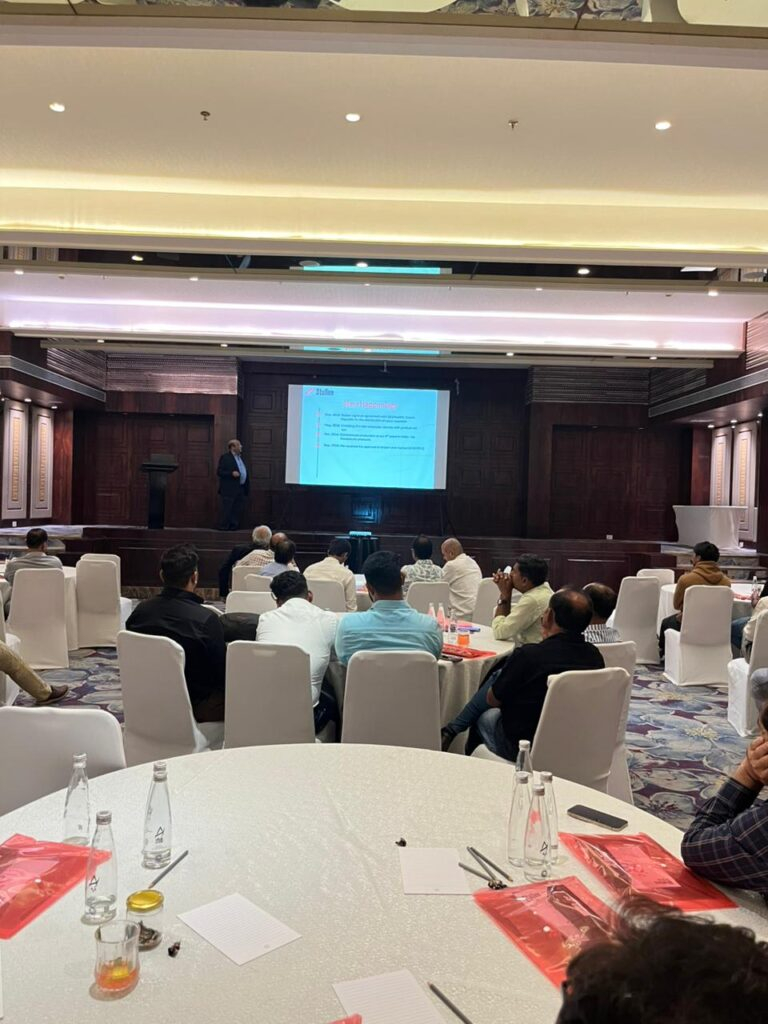
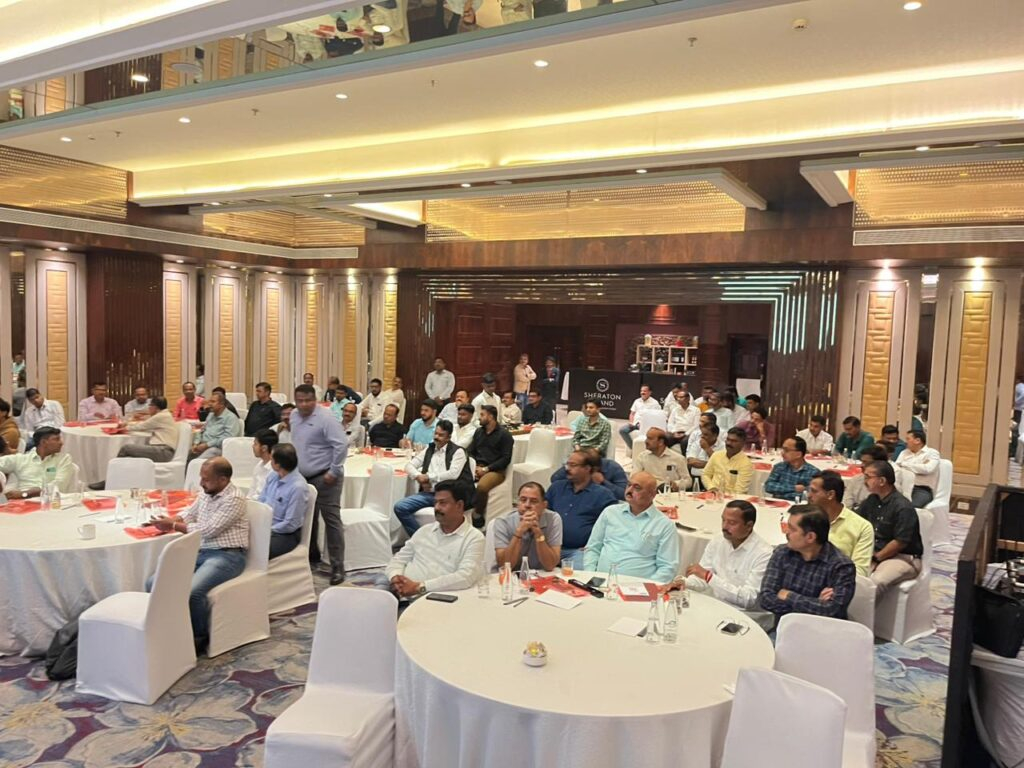
In continuation of its commitment to strengthen scientific knowledge and promote advanced disease control strategies in the poultry sector, Stallen South Asia Pvt. Ltd. organized a highly informative technical seminar in Pune, themed “Comprehensive Flock Protection: Addressing Mycoplasmosis, Infectious Bronchitis & Salmonellosis.”

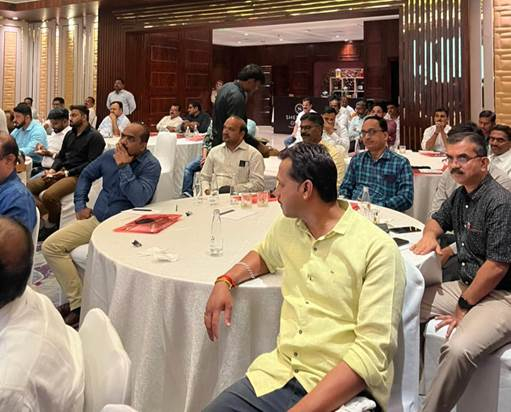
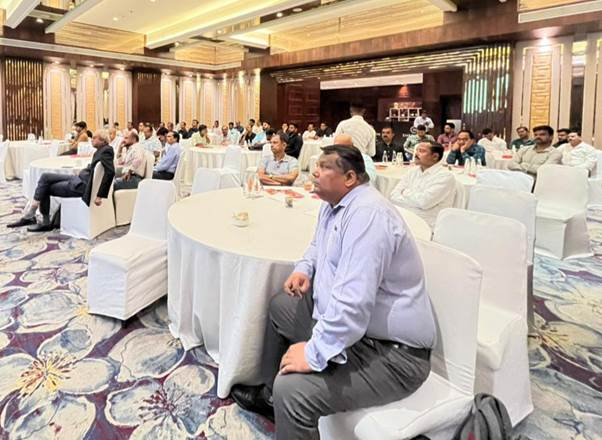
The event witnessed the participation of over 80 progressive poultry farmers, consultants, and technical experts, who gathered to explore emerging disease trends, modern vaccine technologies, and integrated flock protection programs aimed at improving productivity and profitability.

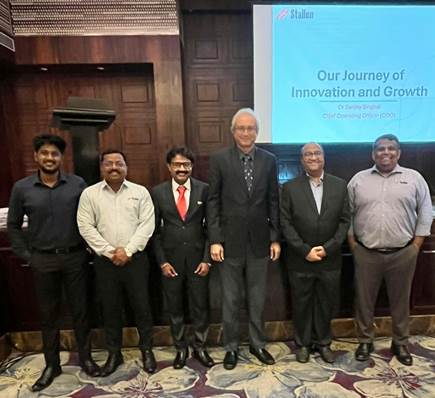
The seminar opened with a warm welcome by Dr. Sanjay Singhal, Chief Operating Officer, Stallen South Asia Pvt. Ltd., who shared the inspiring journey of Stallen — from its modest beginnings in the late 1990s as a pharmaceutical company to its current evolution into a biotechnology-focused organization. Dr. Singhal emphasized how Stallen has constantly adapted to the changing needs of the poultry industry, shifting from conventional drugs to next-generation biologicals and vaccines that align with global trends in responsible poultry production. He also spoke about the company’s product range, collaborations, and upcoming innovations, reaffirming Stallen’s vision to offer science-driven solutions that ensure healthier flocks and sustainable farming.

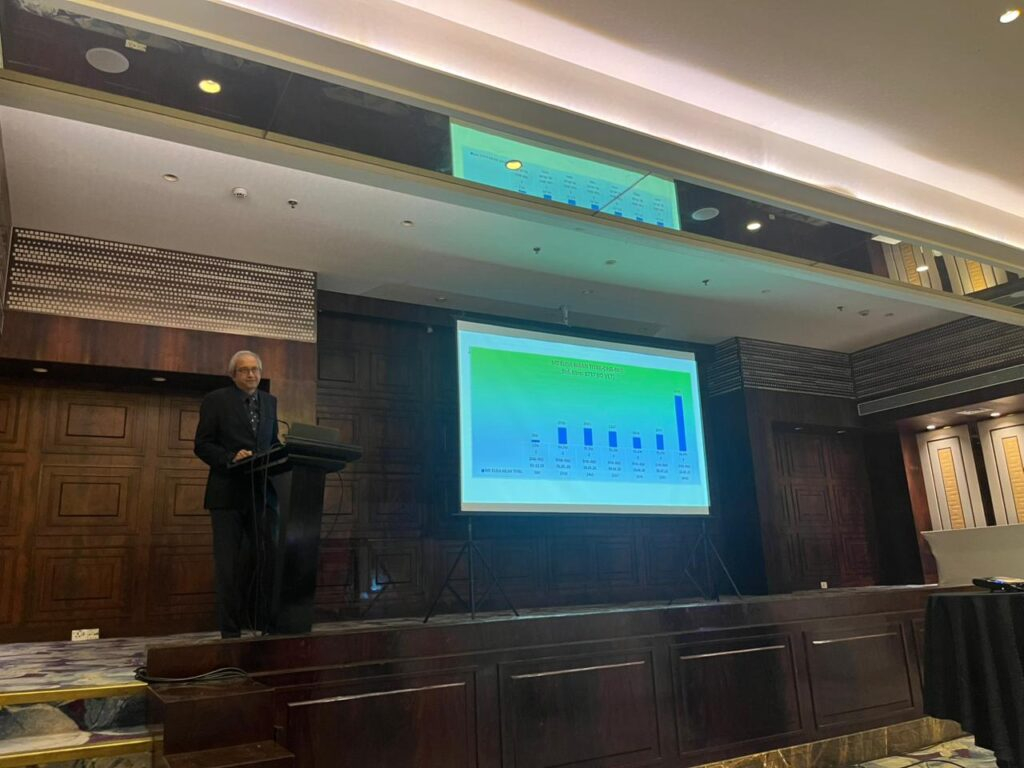
The technical keynote address was delivered by Dr. Jayaraman K, a veteran poultry health expert with more than three decades of experience. In his session, Dr. Jayaraman provided an in-depth overview of the disease triad — Mycoplasmosis, Infectious Bronchitis, and Salmonellosis — explaining how these infections interact, compromise respiratory health, and affect egg production, hatchability, and overall flock performance. He discussed diagnostic approaches, field management practices, and the role of vaccination in breaking the infection cycle. His presentation was both insightful and practical, blending scientific clarity with field relevance, which kept the audience thoroughly engaged. The interactive Q&A session that followed helped participants gain clarity on key aspects of disease prevention and control.

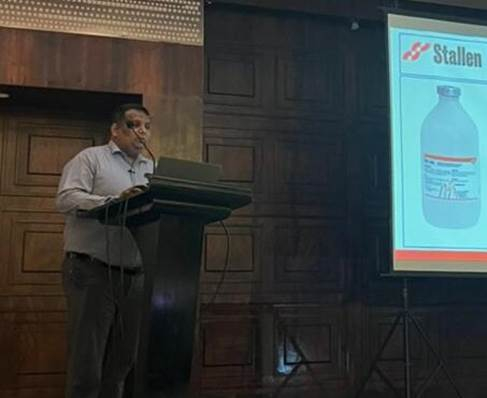
The final session was conducted by Dr. Kishor Gedam, Product Manager, Stallen South Asia Pvt. Ltd., who presented Stallen’s comprehensive vaccine portfolio imported directly from FATRO, Italy. He elaborated on flagship products such as MYC-VAC — a Mycoplasma gallisepticum killed vaccine, MS-VAC — a Mycoplasma synoviae killed vaccine, and IB-OLVAC, a killed vaccine offering protection against Infectious Bronchitis and Newcastle Disease. Dr. Gedam also introduced BIOVAC SGP695, an innovative patented live vaccine for Salmonella gallinarum/pullorum, and enteritidis infections, which is notably the first water-administered Salmonella vaccine available in the Indian market. Together, these products represent Stallen’s holistic approach to flock protection — offering reliable, science-backed, and field-tested vaccination options to Indian poultry producers.

The event concluded with a heartfelt vote of thanks by Mr. Macchindra Shinde, Regional Sales Manager (West), who appreciated the enthusiastic participation of the attendees and the valuable insights shared by the speakers. A networking dinner followed, allowing farmers, consultants, and experts to interact informally and exchange ideas for improving poultry health and productivity.

With this successful seminar, Stallen South Asia once again reaffirmed its dedication to knowledge sharing, innovation, and farmer partnership. The company continues to take confident strides toward building a healthier, more productive poultry industry — one that thrives on science, sustainability, and shared success.

Stallen South Asia Hosts Technical Seminar and Launches New Vaccines in Coimbatore

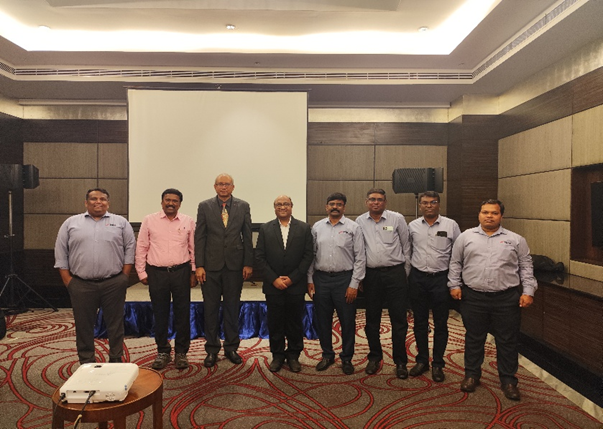
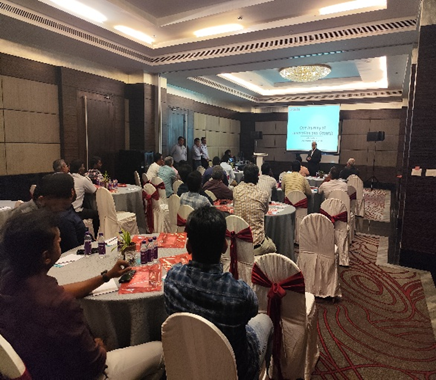
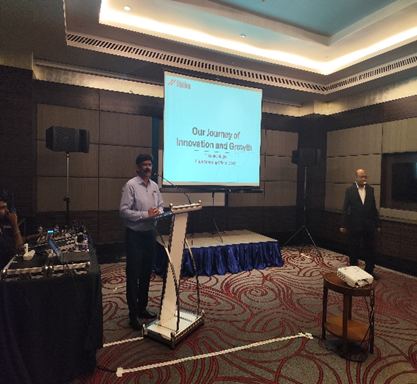
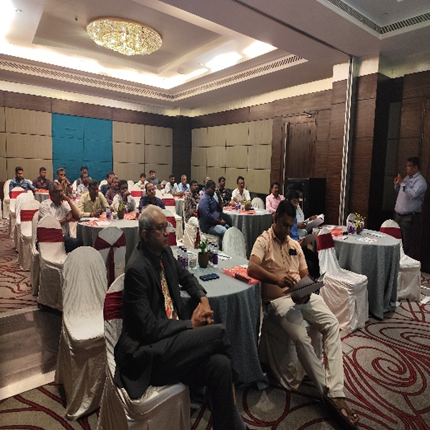
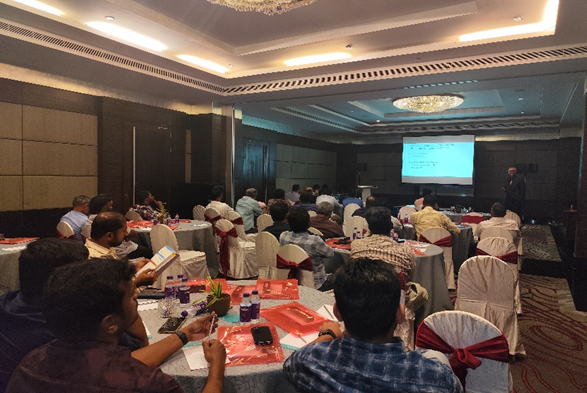
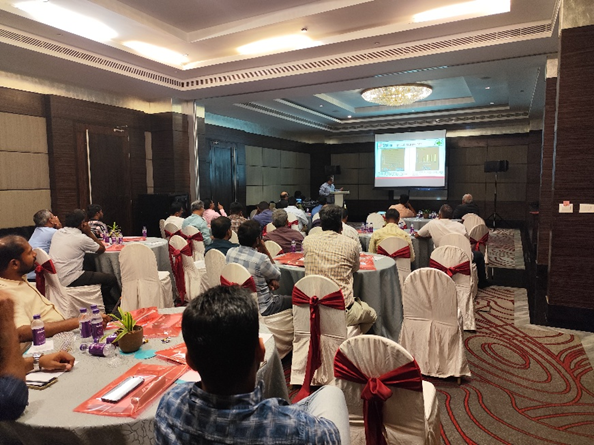
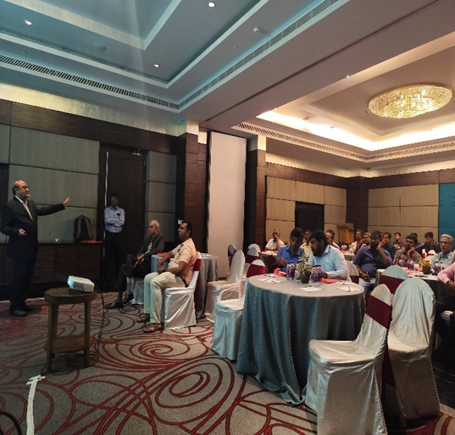
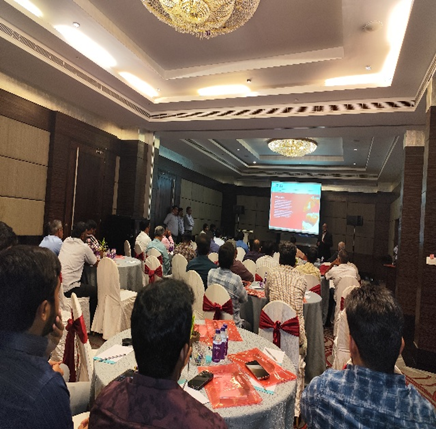
Coimbatore, Tamil Nadu — 12th September 2025 — Stallen South Asia Pvt. Ltd., a trusted partner to India’s poultry sector for over 26 years, recently organized an exclusive technical seminar for leading poultry farmers from Tamil Nadu and Kerala. The event underscored Stallen’s enduring commitment to the region while introducing two innovative vaccines — BIO-VAC SGP 695 and LIVACOX Q — which received an enthusiastic response from participants.

Held in Coimbatore, the program brought together 30+ progressive poultry farmers who play a vital role in strengthening South India’s poultry industry and economy. The gathering created a platform to exchange knowledge, discuss emerging challenges, and explore practical solutions for healthier, more productive flocks.

The session opened with a warm welcome by Mr. Raja Desingu, Regional Sales Manager, who thanked attendees for their continued trust in Stallen.

Dr. Sanjay Singhal, Chief Operating Officer of Stallen South Asia, followed with an insightful presentation on the company’s journey and growth in the Indian poultry market. He highlighted Stallen’s “farmer-first” philosophy, combining field expertise with cutting-edge science to deliver sustainable, performance-oriented solutions.

A key highlight of the seminar was an expert talk by Dr. Jayaraman, a renowned poultry consultant from South India. Addressing the theme “Safeguarding Poultry Health: Prevention of Hidden Threats in Breeders & Layers,” he shared strategies to protect flocks from often-overlooked diseases such as Mycoplasma (MG and MS), Coccidiosis, and Salmonella. He emphasized the importance of early detection, robust immunity, and sound farm management in mitigating these risks.

Adding to the technical insights, Dr. Kishor Gedam presented a comprehensive overview of Stallen’s vaccine portfolio. He detailed the benefits of killed vaccines such as MS-VACMYC-VAC, and CORI-VAC, as well as live vaccines including BIO-VAC SGP 695 and LIVACOX Q, which help safeguard birds against Mycoplasma, Salmonella, and Coccidiosis.

The event concluded with an informal networking dinner, offering farmers and Stallen’s technical team an opportunity to strengthen relationships and share perspectives in a relaxed setting.

By bringing together expertise, innovation, and field experience, this seminar reaffirmed Stallen South Asia’s dedication to empowering poultry farmers in Tamil Nadu and Kerala with trusted products, strong technical support, and long-term partnerships for sustainable growth.

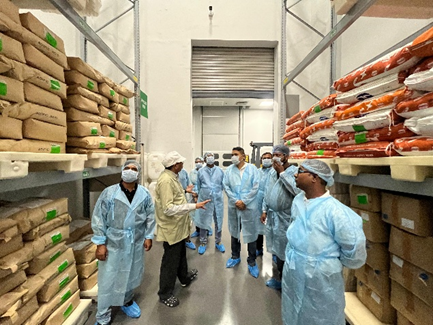
NSPDT Delegation Visits Stallen South Asia’s Feed Additives and Therapeutics Units in Palghar, Maharashtra.

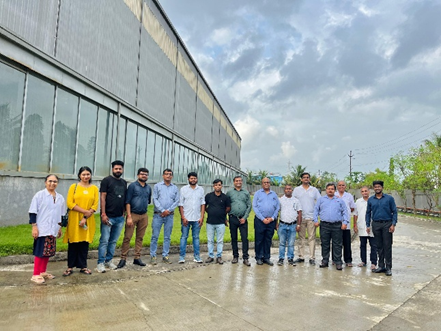
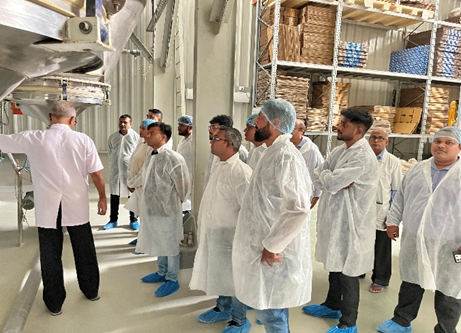
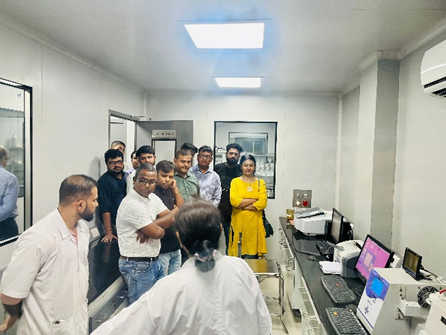
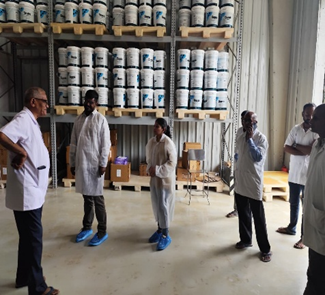
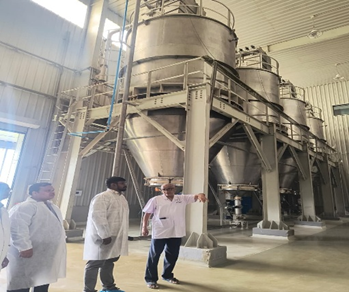
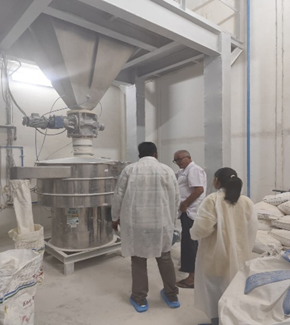
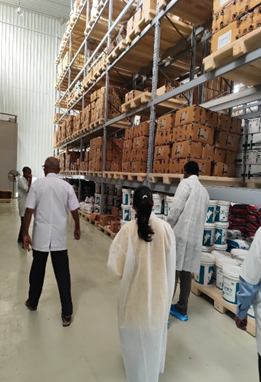
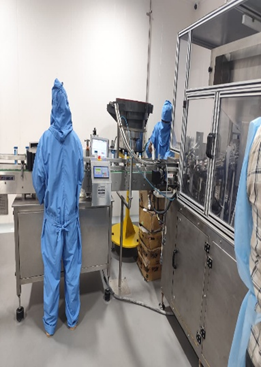
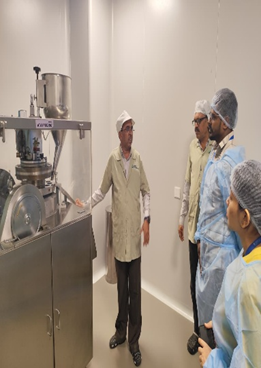
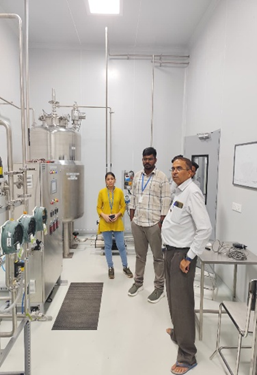
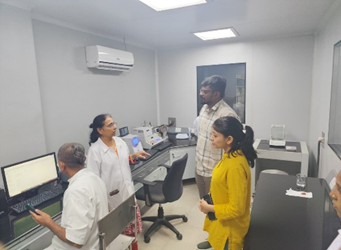
The National Smallholder Poultry Development Trust (NSPDT) delegation recently visited the advanced manufacturing facilities of Stallen South Asia Pvt. Ltd. in Palghar, Maharashtra. The visit included a tour of the Feed Additives Manufacturing Plant in Chahade and the Therapeutics/Formulations Manufacturing Unit in Vevoor. The purpose of the visit was to understand modern practices in animal health and nutrition. The delegation included Dr. Mokadesh Ali, Dr. Babul Borgohain, Dr. Dula Talukdar, Mr. Abhilash Kumar Jha, Mr. Akhilesh Kumar Verma, Mr. Anirban Mukerjee, Mr. Anupam Kumar, Mr. Gopal Kumar Prasad, and Mr. Suraj Kumar Pandey. They were warmly welcomed by Stallen’s leadership team and were given detailed insights into the company’s manufacturing processes, quality control systems, and innovation efforts.

“Stallen’s Feed additives and supplement manufacturing facilities in Chahade” is recognized for its world-class infrastructure and manufacturing excellence. It specializes in a broad portfolio of feed additives and supplements for poultry and cattle, including antibacterial solutions, treatments targeting mycoplasmal infections, deworming agents, performance enhancers, anthelmintics, mineral supplements, toxin-binding formulations, antidiarrheals, growth promoters, anticoccidials, water sanitation products, fly control solutions, and disinfectants.

These products are meticulously crafted and made available in various convenient forms such as tablets, boluses, powders, oral liquid solutions. The manufacturing unit is equipped with advanced machinery for formulation, granulation, liquid filling, and packaging. Rigorous quality control is implemented at every stage, from raw material testing to final product release, ensuring product consistency, safety, and compliance with global standards.

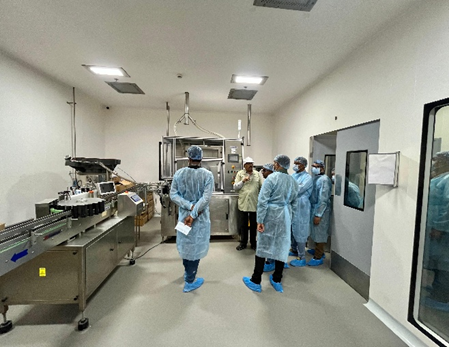
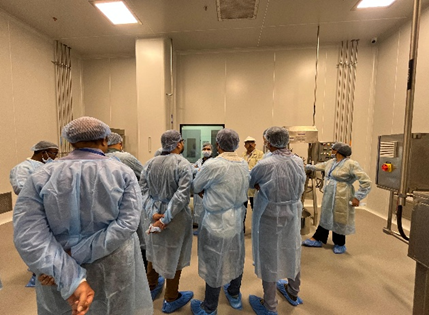
Another dedicated “Therapeutics/Formulations Manufacturing Unit in Vevoor (Palghar, Maharashtra)” is a crucial facility for manufacturing pharmaceutical products that range between regular therapeutic drugs as well as beta-lactam formulations. This formulation unit is equipped with state-of-the-art facilities and machinery required for the formulation and production of pharmaceutical products. This includes equipment for mixing, blending, granulation, drying, and packaging. The capacities are built for effervescent tablets, liquid form (oral and topical), oral powder, bolus and ointment. The facilities comply with Good Manufacturing Practices (GMP) and are aligned with regulatory requirements to serve both domestic and international markets. With their company products registered in over 65 countries, this milestone reinforces India’s pursuit of veterinary self-sufficiency and innovation-led growth.

During the visit, the delegation had meaningful interactions with key team members including Mr. Aniket Parikh (Director), Dr. Sanjay Singhal (COO – Poultry & Cattle), Dr. Amit Janbandhu (Product Manager – Nutrition), Dr. Onkar Paradhe (Vaccine Division), Mr. Vijaykumar Menon (Factory Manager – Chahade), and Mr. Sunil Sonwane (Factory Manager – Palghar).

Mr. Aniket Parikh shared that Stallen was founded in 1992 by his late father, Shri A.B. Parikh, and now exports products to over 65 countries including those in North and South America, Europe, the Middle East, China, Japan, Southeast Asia, and Australia. Dr. Sanjay Singhal also highlighted their third manufacturing unit in Vatva, Gujarat, which produces Halquinol 98%, a non-antibiotic growth promoter made according to British Pharmacopoeia 1980 (BP 80) standards. Dr. Amit Janbandhu mentioned Stallen’s collaboration with FATRO, Italy, through which they market FATRO’s complete vaccine range in the Indian subcontinent, and highlighted Stallen’s product portfolio.

The delegation appreciated the company’s warm hospitality, transparency, and strong commitment to quality. The visit highlighted the vital role Stallen plays in advancing India’s veterinary sector through innovation, regulatory compliance, and responsible manufacturing.

To study the efficacy of PHYTOGIC on the performance of commercial broilers under field conditions.

Introduction

The abuse of antibiotic growth promoters (AGPs) in feed has led to drug resistance and ecological damage would threaten human health eventually. Natural plants have become a hotspot in the research and application of substituting AGPs because of their advantages of safety, efficiency, and availability (Songchang et.al.2021).

Necrotic enteritis (NE), an enterotoxemic disease in poultry, is primarily caused by Clostridium perfringens. The restriction or ban of in-feed antibiotics in regions such as the European Union and China has contributed to a resurgence of NE cases (Shojadoost et.al.2012). The disease is particularly severe in young broilers, with acute mortality rates reaching up to 50%. NE is associated with a significant upregulation of pro-inflammatory cytokines and chemokines, contributing to systemic immune activation (Lee et.al.2011). As inflammation is metabolically demanding, immune challenges can increase the resting metabolic rate of animals by 8–27%, thereby diverting energy from growth and maintenance processes (Martin et.al.2003).

Inflammation in poultry reduces feed intake, disrupts intestinal morphology, limits nutrient absorption, and redirects energy to immune responses, collectively impairing growth and causing intestinal damage and economic losses (Klasing et.al.1987). Necrotic enteritis (NE) aggravates these effects by inducing gut microbiota dysbiosis, marked by reduced diversity, instability, and enrichment of pro-inflammatory bacteria, which compromise intestinal homeostasis and enhance pathogen persistence (Satokari et.al.2015).

Macleaya cordata is a perennial herb widely distributed in southern China and traditionally used in herbal medicine. Its extract (MCE), which contains bioactive alkaloids such as sanguinarine and chelerythrine, was approved as a feed additive in the EU in 2004. Sanguinarine, the major active compound, has demonstrated antitumor (Fu.et.al.2018), immunomodulatory (Kumar et.al.2014), antibacterial (Hamoud et.al.2014), anti-inflammatory (Xue et.al.2017), and insecticidal (Li et.al.2017) properties.

Several investigators have reported that MCE diets could ameliorate production performance, improve gut health and body immunity, and promote growth (Bojjireddy et al., 2013Khadem et al., 2014). Besides, sanguinarine is the major active ingredient of M. cordata, which has been found to have anti-inflammatory activity (Niu et al.2012), inhibit the activation of NF-κB, and regulate inflammatory response (Wullaert et. al.2011). Gradually, it evoked attention as a substitute of antibiotics (Kim et al.2012). Although sanguinarine is poisonous, an average daily oral dose of alkaloids of up to 5 mg/kg animal body weight has been proven safe (Kosina et al., 2004).

MCE has been reported to modulate intestinal microbiota, particularly in the upper gastrointestinal tract. It promotes beneficial bacteria such as Lactobacillus, inhibits Escherichia coli colonization, and stimulates amino acid, vitamin, and bile acid biosynthetic pathways, while minimizing the risk of antibiotic resistance gene accumulation (Huang et.al.2018).

While MCE’s beneficial effects on broiler performance, intestinal integrity, and inflammation have been demonstrated, its impact on humoral immune function and microbiota-mediated amelioration of NE remains insufficiently characterized (Bui et.al.2015).

Objective of Study-

To evaluate the effect of PHYTOGIC on the performance of commercial broilers reared on deep litter under field conditions.

Materials and Methods

Experimental Design and Management

The trial was conducted at Harsh Broiler House using Vencobb 430 straight run chicks (not sexed at hatchery) in three treatments of around 12000 birds in each treatment. A total of 36000 birds were considered for trial purpose.  Feed Formulation used was same for all treatment groups except in T2 where PHYTOGIC was added at 150 gm per ton feed respectively in all stages. (Table 1.) In the study, the energy level was equivalent to the standard requirements of broilers recommended in the Vecobb 430. The trial was carried out over a period of 42 days. The birds were fed ad lib feed and water was available all the times. Care was taken to provide good conditions by adopting strict biosecurity measures. The housing and vaccination procedures were same in both groups.

Table 1. Composition of basal diet for broiler chicks in control group for 3 phases.

Broiler Feed Formulation (Control)
Raw MaterialsPrestarterStarterFinisher
Maize625.15652.75686.65
HiPro Soya335300260
Soya Crude Oil61423
Limestone Powder8.58.58
Dicalcium Phosphate10108
L Lysine HCI2.72.42.3
DL Methionine3.332.7
L Threonine111
Salt2.52.52.5
Soda Bi Carb1.51.51.5
Choline Chloride 60%111
Organic TM0.50.50.5
Broiler Vitamin Premix0.50.50.5
Coccidiostat0.50.50.5
AGP0.050.050.05
NSP Enzyme0.10.10.1
Phytase 50000.10.10.1
Feed Acidifier111
Toxin Binder0.60.60.6

*The figures are in Kilograms.

 The premix provided the following per kilogram of the diet: vitamin A, 6000 IU; vitamin D3, 2500 IU; vitamin B1, 1.75 mg; vitamin B2, 5.5 mg; vitamin B6, 4 mg; vitamin B12, 0.18 mg; vitamin E, 25 mg; vitamin K3, 2.25 mg; Cu, 7.5 mg; Mn, 60 mg; Fe, 75 mg; Zn, 60 mg; Se, 0.15 mg; biotin, 0.14 mg; NaCl, 3.7 g; folic acid, 0.8 mg; pantothenic acid, 12 mg; phytase, 400 U; nicotinic acid, 34 mg; chloride, 350 mg. *Nutrient levels were all calculated values.

Treatment Details-

T1: Control group fed basal diet

T2: Control group fed basal diet + PHYTOGIC @150 g PMT

Parameters Studied-

  1. Body Weight gain was recorded weekly
  2. Feed Consumption recorded daily and leftover feed was adjusted in the other day quota to know actual intake.
  3. Mortality was recorded daily
  4. EEF calculated post harvesting of the flock
  5. FCR was calculated every week and post harvesting of the flock.

Results:

Effect of Supplementation of Phytogic on body growth performance parameters like Body Weights, Feed Consumption, FCR and Average Daily gain of Control and Treatment Groups

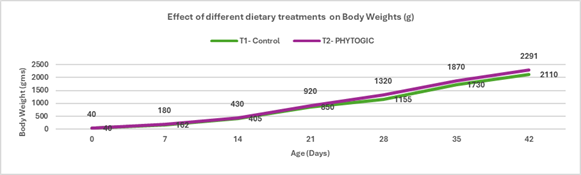
Fig.1. Effect of different dietary treatments on Body Weights (g)

Conclusion:Broilers in the T2 – PHYTOGIC group fed at 150g/ton of feed achieved higher final body weights (2291 g) compared to the T1 – Control group (2110 g), showing an 8.22% improvement. This indicates that PHYTOGIC supplementation effectively enhances growth performance in broilers.

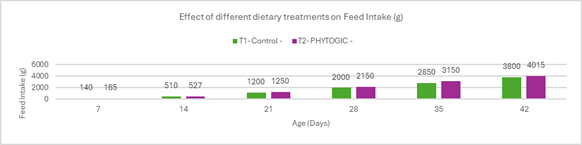
Fig.2. Effect of different dietary treatments on Feed Intake (g)

Conclusion:Broilers in the T2 – PHYTOGIC group fed at 150g/ton of feed consumed more feed (4015 g) compared to the T1 – Control group (3800 g), showing a 5.50% increase in feed intake. This suggests that PHYTOGIC supplementation may enhance feed consumption in broilers.

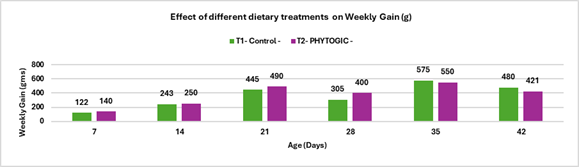
Fig.3. Effect of different dietary treatments on Weekly Gain (g)

Conclusion: The average weekly percentage difference in weight gain between T2 – PHYTOGIC fed at 150g/ton of feed and T1 – Control was -3.84%, indicating that, overall, PHYTOGIC supplementation did not improve weekly weight gain in broilers and was slightly less effective than the control in this trial.

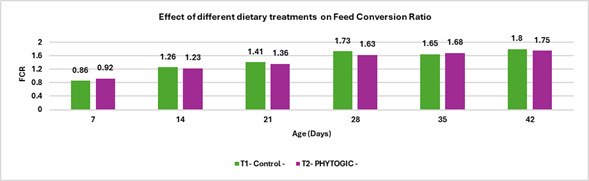
Fig.4. Effect of different dietary treatments on Feed Conversion Ratio

Conclusion:Broilers in the T2 – PHYTOGIC group fed at 150g/ton of feed showed an improved feed conversion ratio (1.75) compared to the T1 – Control group (1.80), with a 2.81% improvement. This suggests that PHYTOGIC supplementation enhances feed efficiency in broilers, allowing for better weight gain per unit of feed consumed.

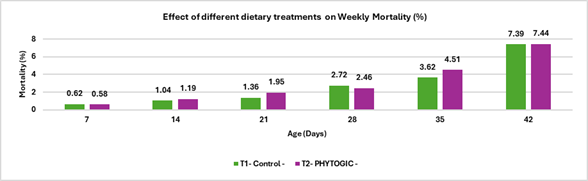
Fig.5. Effect of different dietary treatments on Weekly Mortality (%)

Conclusion:The mortality rate in the T2 – PHYTOGIC group fed at 150g/ton of feed was (7.44%) slightly higher than the T1 – Control group (7.39%), with a 0.27% difference. This minimal variation indicates that PHYTOGIC supplementation had no significant effect on broiler mortality under the conditions of this study.

Table 2. Summary of the Report-

ParametersT1- ControlT2- PHYTOGIC% Difference
Body Weight (g)211022918.22
Feed Intake (g)380040155.50
FCR1.801.752.81
CFCR1.771.675.81
Mortality (%)7.397.440.27

Conclusion-

  1. The trial was conducted in the extreme heat season where average temperature in the surrounding was around 42-45 degree Celsius.
  2. The T2 (PHYTOGIC) groups showed overall improved performance compared to the T1 (Control) group.
  3. Specifically, the body weight of T2 (PHYTOGIC) was 8.22% higher than T1 (Control), indicating better growth.
  4. Feed Conversion Ratio (FCR) and Corrected FCR (CFCR) were both lower in T2 (PHYTOGIC) by 2.81% and 5.81%, respectively, demonstrating more efficient feed utilization in the T2 (PHYTOGIC) group than T1 (Control).
  5. Mortality rates were nearly identical between the two groups, indicating that the supplement did not adversely affect survival.

Overall, PHYTOGIC supplementation resulted in better growth performance and feed efficiency compared to the control with no significant impact on mortality.

References:

Bojjireddy N., Sinha R.K., Panda D., Subrahmanyam G. Sanguinarine suppresses IgE induced inflammatory responses through inhibition of type II PtdIns 47kinase(s) Arch. Biochem. Biophys. 2013;537:192–197. doi: 10.1016/j.abb.2013.07.017. 

Bui TP, Ritari J, Boeren S, de Waard P, Plugge CM, de Vos WM. Production of butyrate from lysine and the amadori product fructoselysine by a human gut commensal. Nat Commun. 2015;6:10062.

Fu C, Guan G, Wang H. The anticancer effect of sanguinarine: A review. Curr Pharm Des. 2018;24:2760–4.

Hamoud R, Reichling J, Wink M. Synergistic antimicrobial activity of combinations of sanguinarine and edta with vancomycin against multidrug resistant bacteria. Drug Metab Lett. 2014;8:119–28.

Huang P, Zhang Y, Xiao K, Jiang F, Wang H, Tang D, et al. The chicken gut metagenome and the modulatory effects of plant-derived benzylisoquinoline alkaloids. Microbiome. 2018;6:211.

Khadem A., Soler L., Everaert N., Niewold T.A. Growth promotion in broilers by both oxytetracycline and Macleaya cordata extract is based on their anti-inflammatory propertiese. Br. J. Nutr. 2014;112:1110–1118. doi: 10.1017/S0007114514001871.

Kim J.C., Hansen C.F., Mullan B.P., Pluske J.R. Nutrition and pathology of weaner pigs: Nutritional strategies to support barrier function in the gastrointestinal tract. Anim. Feed Sci. Technol. 2012;173:3–16. 

Klasing KC, Laurin DE, Peng RK, Fry DM. Immunologically mediated growth depression in chicks: Influence of feed intake, corticosterone and interleukin-1. J Nutr. 1987;117:1629–37.

Kosina P., Walterova D., Ulrichova J., Lichnovsky V., Stiborova M., Rydlova H., Vicar J., Krecman V., Brabec M.J., Simanek V. Sanguinarine and chelerythrine: assessment of safety on pigs in ninety days feeding experiment. Food Chem. Toxicol. 2004;42:85–91. doi:

Kumar GS, Hazra S. Sanguinarine, a promising anticancer therapeutic: Photochemical and nucleic acid binding properties. RSC Adv. 2014;4:56518–31.

Lee KW, Lillehoj HS, Jeong W, Jeoung HY, An DJ. Avian necrotic enteritis: Experimental models, host immunity, pathogenesis, risk factors, and vaccine development. Poult Sci. 2011;90:1381–90.

Li JY, Huang HB, Pan TX, Wang N, Shi CW, Zhang B, et al. Sanguinarine induces apoptosis in eimeria tenella sporozoites via the generation of reactive oxygen species. Poult Sci. 2022;101:101771.

Martin LB 2nd, Scheuerlein A, Wikelski M. Immune activity elevates energy expenditure of house sparrows: A link between direct and indirect costs? Proc Biol Sci. 2003;270:153–8.

Niu X., Fan T., Li W., Xing W., Huang H. The anti-inflammatory effects of sanguinarine and its modulation of inflammatory mediators from peritoneal macrophages. Eur. J. Pharmacol. 2012;689:262–269. doi: 10.1016/j.ejphar.2012.05.039.

Satokari R. Contentious host-microbiota relationship in inflammatory bowel disease–can foes become friends again? Scand J Gastroenterol. 2015;50:34–42.

Shojadoost B, Vince AR, Prescott JF. The successful experimental induction of necrotic enteritis in chickens by clostridium perfringens: A critical review. Vet Res. 2012;43:74.

Songchang Guo, y Jiaxing Lei, y Lulu Liu, y Xiangyong Qu, y Peng Li, y Xu Liu, y Ying Guo, z Qiaoqin Gao, y Fulin Lan, y Bing Xiao, z Changqing He, y and Xiaoyan Zou. Effects of Macleaya cordata extract on laying performance, egg quality, and serum indices in Xuefeng black-bone chicken Songchang . Poultry Science, 2021;100:101031.  https://doi.org/10.1016/j.psj.2021.101031

Wullaert A., Bonnet M.C., Pasparakis M. NF-kappa B in the regulation of epithelial homeostasis and inflammation. Cell Res. 2011;21:146–158. doi: 10.1038/cr.2010.175.

Xue GD, Wu SB, Choct M, Pastor A, Steiner T, Swick RA. Impact of a macleaya cordata-derived alkaloid extract on necrotic enteritis in broilers. Poult Sci. 2017;96:3581–5.

To study the efficacy of PEPIGRO on the performance of commercial broilers under field conditions.

Introduction

The poultry industry is a vital component of global agriculture, playing a crucial role in food security and the economy. However, the health and productivity of poultry are frequently challenged by a wide array of microorganisms, including both beneficial and pathogenic species. While pathogenic bacteria such as Clostridium perfringens, Salmonella, colibacillosis can lead to serious diseases like necrotic enteritis (NE), Salmonellosis and E. coli. The beneficial microorganisms are integral to maintaining intestinal health and optimizing growth performance (Tian et.al.2021).

Historically, the use of antibiotics in poultry feed has been an effective strategy for disease prevention and growth promotion. However, the long-term use of antibiotics has led to significant drawbacks, including the emergence of antibiotic-resistant bacteria and the accumulation of antibiotic residues in poultry products such as meat, eggs, and feed. These issues pose not only animal health concerns but also serious public health risks, prompting regulatory bans on antibiotic growth promoters in many countries. This shift has intensified the demand for natural, safe, and sustainable alternatives that can support animal health and production efficiency without adverse side effects (Quette et. al.2018).

Probiotics have emerged as promising alternatives to antibiotics in poultry nutrition. These “friendly” bacteria contribute to gut health by enhancing digestion, modulating the immune system, improving intestinal barrier function, and competing against pathogenic microorganisms. Among the various probiotic candidates, species of the Bacillus genus—particularly Bacillus licheniformis—have attracted increasing attention due to their spore-forming capabilities, environmental resilience, and broad-spectrum biological activities. B. licheniformis is “generally recognized as safe” (GRAS) and has demonstrated antimicrobial, antioxidant, and immunomodulatory properties, making it a multifunctional probiotic with diverse applications in poultry production. Recent studies have shown that dietary supplementation with B. licheniformis can significantly enhance growth performance, feed conversion efficiency, egg production, intestinal morphology, and microbial balance in poultry (Pan et.al.2022).

Bacillus licheniformis is a Gram-positive, spore-forming bacterium characterized by high temperature and stress resistance recognized for its probiotic and postbiotic benefits. It produces digestive enzymes such as protease, amylase, lipase, and cellulase, which enhance nutrient utilization. By depleting intestinal oxygen, it fosters anaerobic conditions that promote beneficial bacteria (LactobacillusBifidobacterium) and suppress pathogens (Escherichia coli, Salmonella, Clostridium perfringens). In addition, B. licheniformis secretes bioactive metabolites, including bacteriocins, surfactins, licheniformins, and bacitracin, all of which possess antimicrobial properties (Giri et al. 2019). The bacteriocin, a 42-amino acid peptide (~4.7 kDa), exhibits strong α-helical conformation and acts by disrupting bacterial membranes and inhibiting intracellular processes such as nucleic acid and protein synthesis. These peptides not only suppress pathogens but also enhance host immunity by stimulating neutrophils, macrophages, mast cells, and NK cells, and inducing cytokine and chemokine production. Collectively, B. licheniformis improves feed digestibility, strengthens mucosal barrier function, supports gut microbiota balance, and enhances immune responses, making it a promising candidate for use in both animal nutrition and human health (Shleeva et.al.2023).

Objective of Study-

To evaluate the effect of PEPIGRO on the performance of commercial broilers reared on deep litter under field conditions.

MATERIALS AND METHODS

Experimental Design and Management

The trial was conducted at Harsh Broiler House -Bilaspur using Vencobb 430 straight run chicks (not sexed at hatchery) in three treatments of around 12000 birds in each treatment. A total of 36000 birds were considered for trial purpose. Feed Formulation used was same for all treatment groups except in T3 where PEPIGRO (Bacillus lincheniformis 3*109) was added at 300 gm per ton feed respectively in all stages. (Table.1). In the study, the energy level was equivalent to the standard requirements of broilers recommended in the Vencobb 430. The trial was carried out over a period of 42 days. The birds were fed ad lib feed and water was available all the time. Care was taken to provide good conditions by adopting strict biosecurity measures. The housing and vaccination procedures were same in both groups.

Table 1. Composition of basal diet for broiler chicks in control group for 3 phases.

Broiler Feed Formulation (Control)
Raw MaterialsPrestarterStarterFinisher
Maize625.15652.75686.65
HiPro Soya335300260
Soya Crude Oil61423
Limestone Powder8.58.58
Dicalcium Phosphate10108
L Lysine HCI2.72.42.3
DL Methionine3.332.7
L Threonine111
Salt2.52.52.5
Soda Bi Carb1.51.51.5
Choline Chloride 60%111
Organic TM0.50.50.5
Broiler Vitamin Premix0.50.50.5
Coccidiostat0.50.50.5
AGP0.050.050.05
NSP Enzyme0.10.10.1
Phytase 50000.10.10.1
Feed Acidifier111
Toxin Binder0.60.60.6

*The figures are in Kilograms.

 The premix provided the following per kilogram of the diet: vitamin A, 6000 IU; vitamin D3, 2500 IU; vitamin B1, 1.75 mg; vitamin B2, 5.5 mg; vitamin B6, 4 mg; vitamin B12, 0.18 mg; vitamin E, 25 mg; vitamin K3, 2.25 mg; Cu, 7.5 mg; Mn, 60 mg; Fe, 75 mg; Zn, 60 mg; Se, 0.15 mg; biotin, 0.14 mg; NaCl, 3.7 g; folic acid, 0.8 mg; pantothenic acid, 12 mg; phytase, 400 U; nicotinic acid, 34 mg; chloride, 350 mg. *Nutrient levels were all calculated values.

Treatment Details-

T1: Control group fed basal diet

T3: Control group fed basal diet + PEPIGRO @300 g PMT

Parameters Studied-

  1. Body Weight gain was recorded weekly
  2. Feed Consumption recorded daily and leftover feed was adjusted in the other day quota to know actual intake.
  3. Mortality was recorded daily
  4. EEF calculated post harvesting of the flock
  5. FCR was calculated every week and post harvesting of the flock.

Result:

Effect of Pepigro on growth performance parameter in broiler.

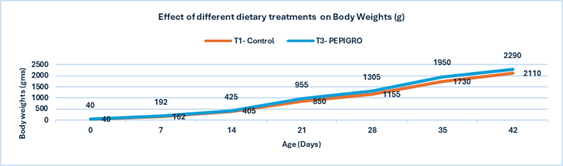
Fig.1. Effect of different dietary treatments on Body Weights (g)

Conclusion: PEPIGRO supplementation at 300g/ton of feed (T3) resulted in a statistically significant 8.18% increase in broiler body weight compared to the control (T1), indicating improved growth performance.

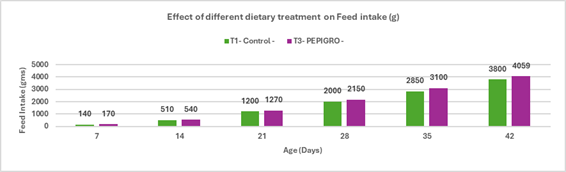
Fig.2. Effect of different dietary treatment on Feed intake (g)

Conclusion: The broiler supplemented with PEPIGRO (T3) at 300g/ ton of feed had a feed intake of 4059 g, which is 6.59% higher than the control group (T1) with 3800 g feed intake. This increase in feed intake indicates that PEPIGRO supplementation positively influenced the birds’ feeding behaviour, likely by enhancing the palatability or nutrient availability of the diet.

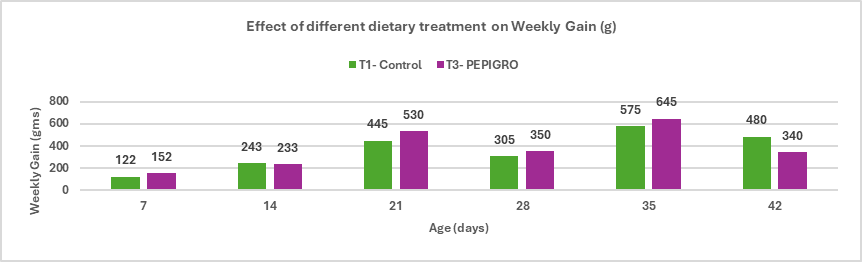
Fig.3. Effect of different dietary treatment on Weekly Gain (g)

Conclusion:  PEPIGRO (T3) supplementation in broiler diet at 300g/ton of feed resulted in the average percentage difference in weekly gain between T1 (Control) is approximately 6.22%. This indicates that PEPIGRO supplementation had a positive overall effect on growth performance, enhancing weight gain efficiency in broiler chickens.

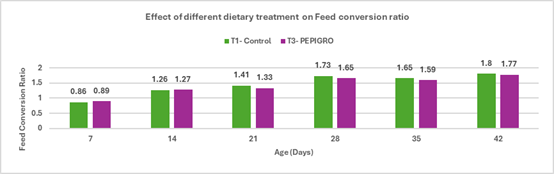
Fig.4. Effect of different dietary treatment on Feed conversion ratio

Conclusion:  PEPIGRO (T3) supplementation in broiler diet at 300g/ton of feed resulted in a 1.68% improvement in feed conversion ratio (FCR) compared to the control group (T1), indicating enhanced feed efficiency and better growth performance.

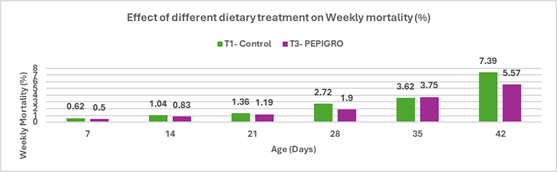
Fig.5. Effect of different dietary treatment on Weekly mortality (%)

Conclusion: PEPIGRO supplementation at 300g/ton of feed reduced mortality in broiler poultry from 7.39% in the control group to 5.57%, reflecting a 28.08% decrease. This suggests that PEPIGRO may contribute to improved bird health and survivability during the rearing period.

Table 2. Summary of the Report

ParametersT1- ControlT3- PEPIGRO% Difference
Body Weight (g)211022908.18
Feed Intake (g)380040596.59
FCR1.81.771.68
CFCR1.771.694.62
Mortality (%)7.395.5728.08

Conclusion-

  1. The trial was conducted in the extreme heat season where average temperature in the surrounding was around 42-45 degree Celsius.
  2. The T3 (PEPIGRO) group showed notable improvements compared to the T1 (Control) group. Body weight in T3 (PEPIGRO) increased by 8.18% compared to T1 (Control), indicating better growth performance.
  3. Both Feed Conversion Ratio (FCR) and Corrected Feed Conversion Ratio (CFCR) in T3 (PEPIGRO) improved, showing reductions of 1.68% and 4.62%, respectively, compared to T1 (Control), indicating more efficient feed utilization.
  4. Additionally, mortality rate in T3 (PEPIGRO) decreased significantly by 28.08% compared to T1 (Control), reflecting better overall health and survival.

These results suggest that PEPIGRO supplementation positively impacts growth, feed efficiency, and mortality compared to Control.

References:

Quette Grant, Cyril G. Gay & Hyun S. Lillehoj (2018): Bacillus spp. as directed microbial antibiotic alternatives to enhance growth, immunity, and gut health in poultry, Avian Pathology, DOI: 10.1080/03079457.2018.1464117

M. Tian, X. He, Y. Feng, W. Wang, H. Chen, M. Gong, D. Liu, J.L. Clarke, A. van. Eerde Pollution by antibiotics and antimicrobial resistance in livestock and poultry manure in China, and counter measures; Antibiotics, 10 (2021), p. 539.

Pan X, Cai Y, Kong L, Xiao C,Zhu Q and Song Z (2022) Probiotic Effects of Bacillus licheniformis DSM5749 on Growth Performance and Intestinal Microecological Balance of Laying Hens. Front. Nutr. 9:868093. doi: 10.3389/fnut.2022.868093.

S. Giri, E. Ryu, V. Sukumaran, S.C. Park, Antioxidant, antibacterial, and anti-adhesive activities of biosurfactants isolated from Bacillus strains. Microb. Pathogen., 132 (2019), pp. 66-72

Shleeva, M.O.; Kondratieva, D.A.; Kaprelyants, A.S. Bacillus licheniformis: A Producer of Antimicrobial Substances, including Antimycobacterials, Which Are Feasible for Medical Applications. Pharmaceutics 2023, 15, 1893. https://doi.org/10.3390/ pharmaceutics15071893

Thomson Group Delegation Visits Stallen South Asia Pvt. Ltd.’s Advanced Manufacturing Units in Palghar, Maharashtra.

We were honoured to welcome a delegation from the Thomson Group, led by Dr. Asharudheen (Technical Manager), to our state of art manufacturing facilities in Chahade and Vevoor (Palghar, Maharashtra).

The visit provided an opportunity to showcase our commitment to innovation in animal health and nutrition. The delegation toured:

  • Feed Additives Manufacturing Facility – Chahade

Renowned for its world-class infrastructure, this facility produces a wide range of feed additives and supplements for poultry and cattle,

– including antibacterial agents, mycoplasma treatments, dewormers, growth promoters, toxin binders, mineral supplements, and disinfectants,

– available in tablet, bolus, powder, and liquid formats.

The unit is equipped with advanced machinery and follows rigorous quality control at every stage of production.

  • Therapeutics & Formulations Unit – Vevoor (Palghar)

This facility focuses on pharmaceutical formulations, including beta-lactam drugs, effervescent tablets, oral/topical liquids, powders, boluses, and ointments.

The unit operates under GMP-compliant systems, serving both domestic and international markets with products registered in over 65 countries.

Dr. Asharudheen was our guest, and during his visit, he engaged in key interactions with Dr. Amit Janbandhu (Product Manager), Mr. Vijaykumar Menon (Factory Manager – Artevet LLP, Chahade), and Mr. Sunil Sonwane (Factory Manager – ATPL, Palghar).

The team shared valuable insights on:

  • Stallen’s rich legacy since its founding in 1992 by Late Shri A.B. Parikh
  • Our global footprint across North America, Europe, the Middle East, Asia, and Australia
  • Strategic collaboration with FATRO, Italy, for vaccine distribution in the Indian Subcontinent
  • The operations of our third pharmaceutical unit in Vatva, Gujarat, focused on Halquinol 98%, a non-antibiotic growth promoter manufactured as per BP 80 standards

We sincerely thank the Thomson Group for their visit and appreciation of our hospitality, transparency, and quality-driven approach. This visit underscores our continued dedication to veterinary innovation, compliance, and global excellence.

#StallenSouthAsia #AnimalHealth #VeterinaryInnovation #FeedAdditives #PharmaceuticalManufacturing #GlobalExports #GMP #VeterinaryExcellence #ThomsonGroup #MakeInIndia

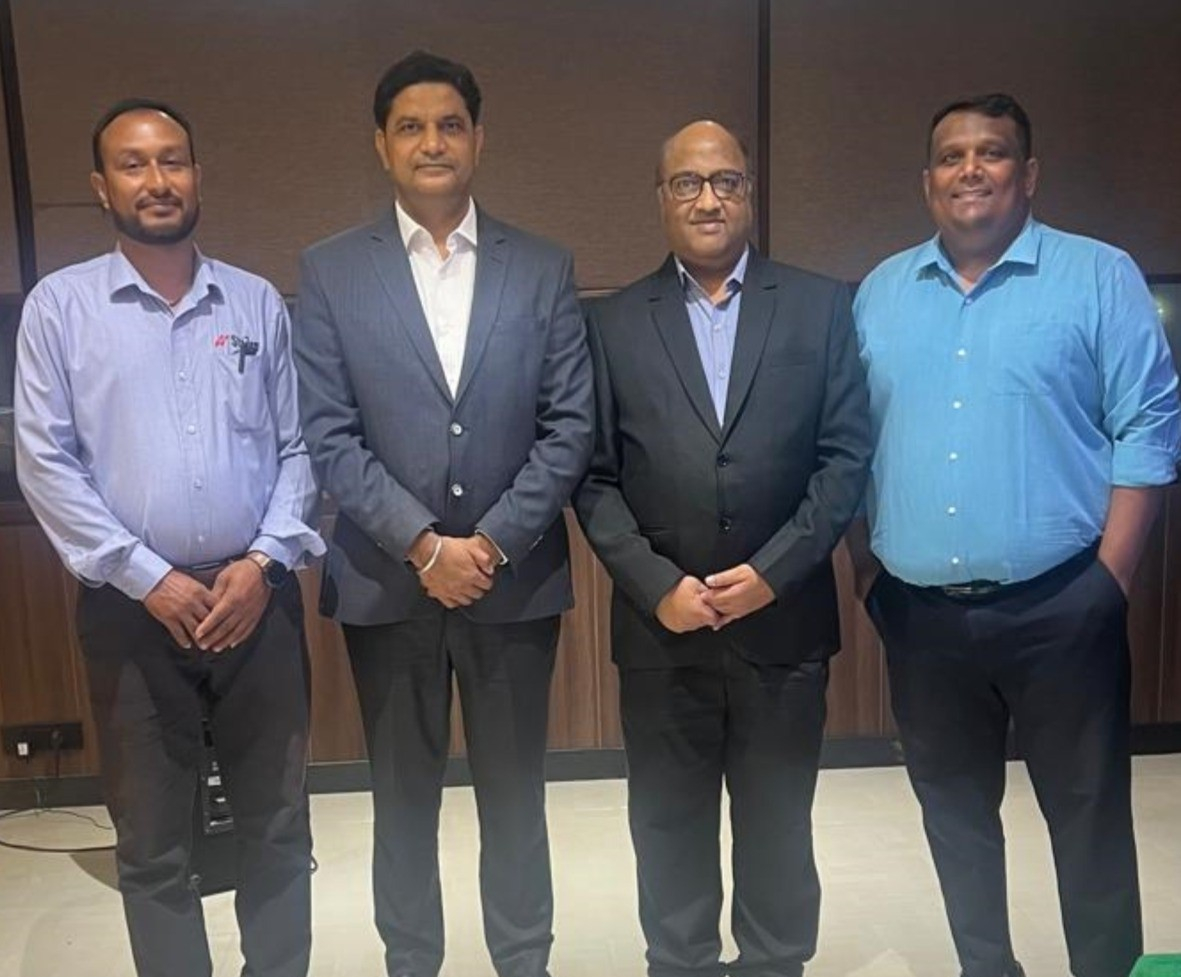
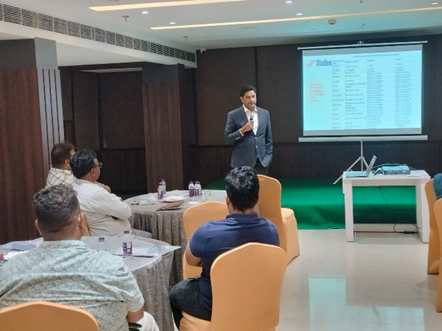
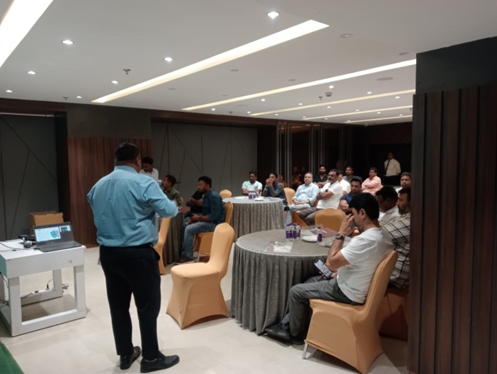
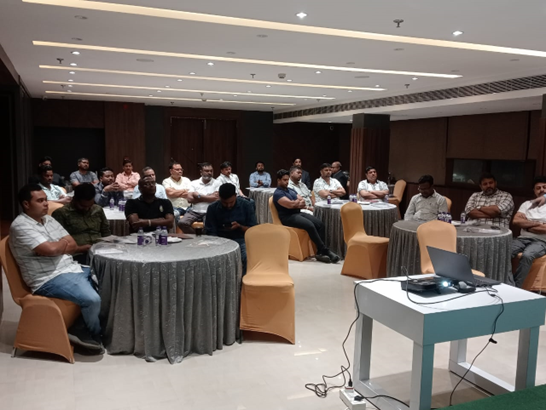
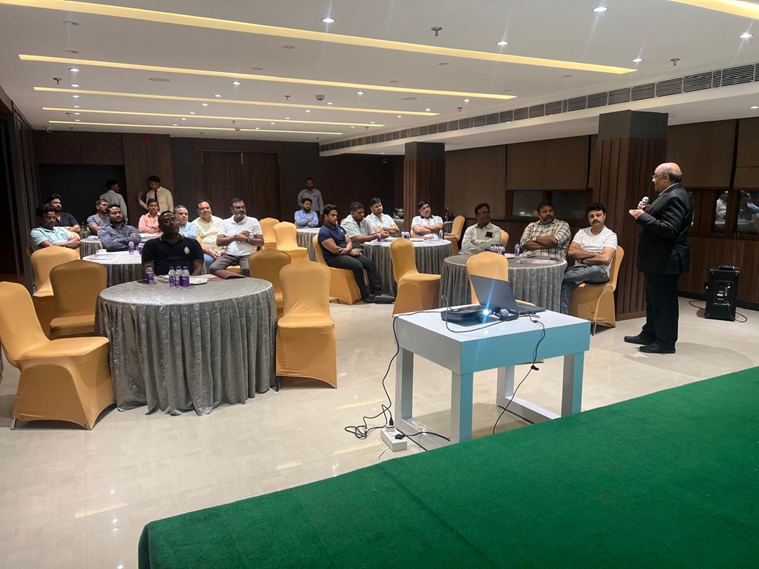
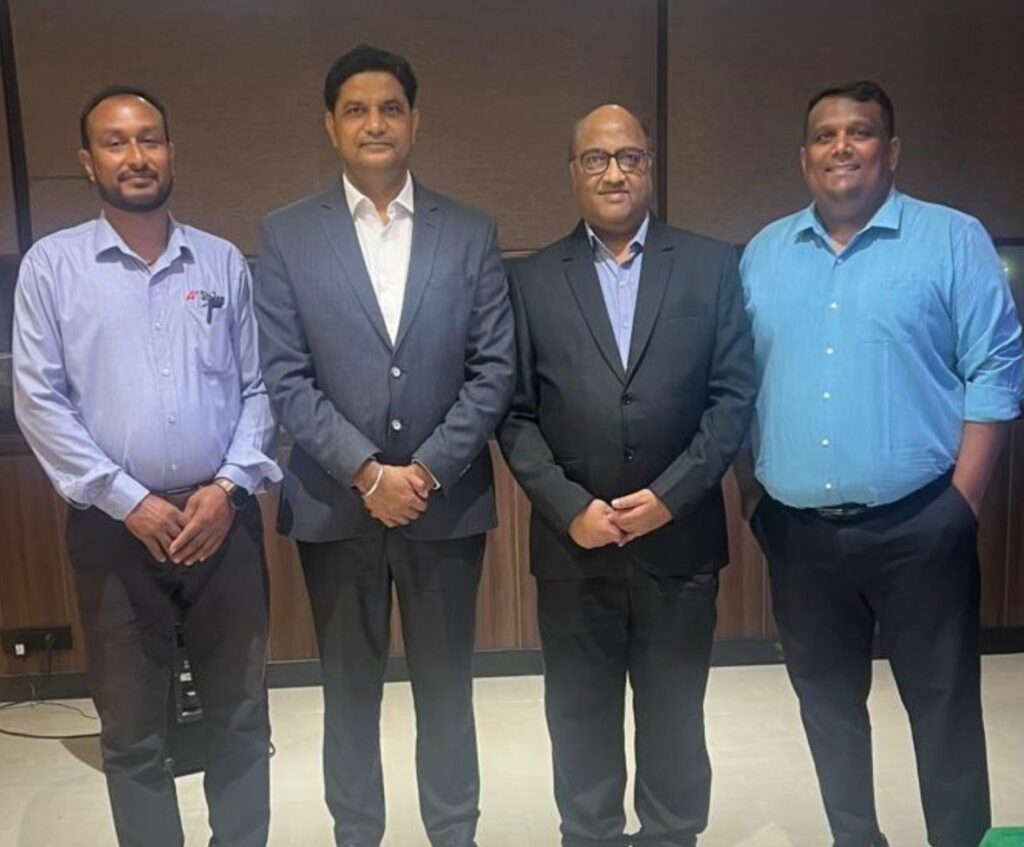
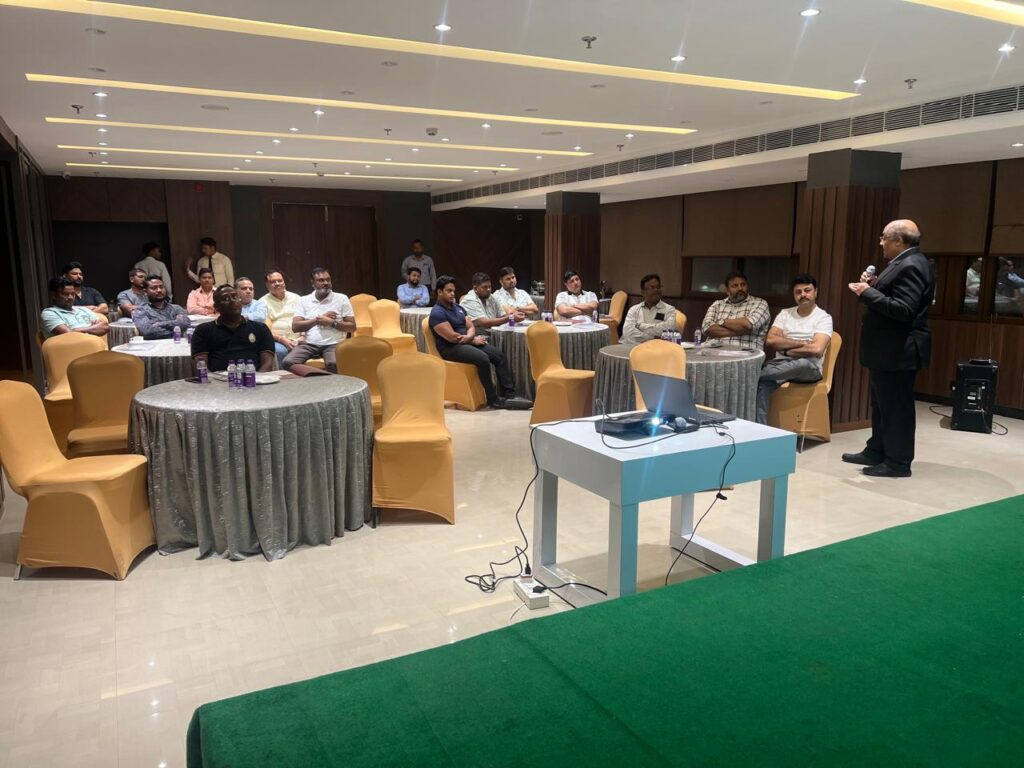
Stallen South Asia Pvt. Ltd. conducted a high-impact event in Balangir, Odisha.

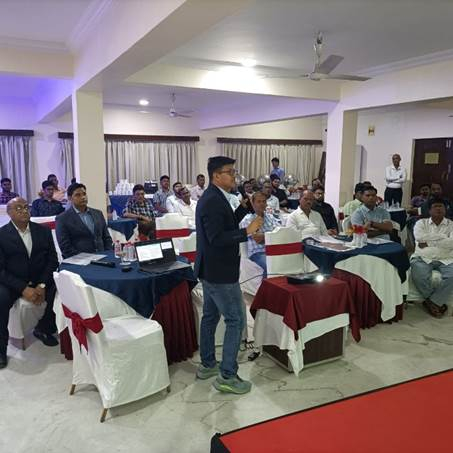
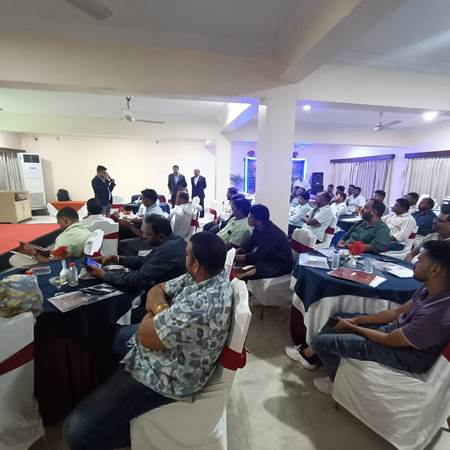
Stallen South Asia Pvt. Ltd. recently hosted a high-impact technical event for the poultry farming community at Balangir, Odisha. The exclusive meet brought together the top 25 commercial poultry farmers of the region, offering them a platform to engage, exchange ideas, and gain deeper technical insights on modern poultry health management.

The program began with a warm welcome address delivered by Mr. Davinder Kumar, Vice President – Sales (North & Central India). In his address, he acknowledged the crucial role farmers play in driving the poultry industry forward and highlighted Stallen’s commitment to working alongside them as partners in progress.

This was followed by an engaging presentation on the history, vision, and milestones of Stallen South Asia Pvt. Ltd. by Dr. Sanjay Singhal, Chief Operating Officer. Dr. Singhal traced the company’s journey, its growth trajectory in the Indian poultry market, and emphasized Stallen’s mission to deliver innovative, science-driven, and practical solutions for poultry farmers across the country. His address underlined the organization’s farmer-first approach, where technology and field expertise converge to support sustainable growth in poultry production.

The technical highlight of the event was the keynote session on “Immunity First: Effective Disease Protection in Modern Poultry Farming” delivered by Dr. Kishor Gedam, Product Manager – Therapeutics. Dr. Gedam stressed the central role of immunity as the first line of defense against infectious diseases in poultry flocks. He elaborated on how disease prevention strategies focusing on strengthening immunity can reduce economic losses, improve flock productivity, and minimize the need for heavy antibiotic usage. His session also touched upon the challenges of modern poultry farming, where high stocking densities, environmental stress, and evolving pathogens demand proactive health management solutions. He shared scientifically backed insights and practical tools that farmers can adopt to safeguard their flocks, protect productivity, and enhance profitability

The session was highly interactive, with farmers actively participating, asking questions, and sharing their on-ground experiences. Many attendees appreciated the relevance of the topic and commended Stallen for bringing science-backed, field-applicable knowledge to the table. The discussions not only broadened technical understanding but also strengthened the farmers’ confidence in adopting innovative health management practices.

The evening concluded with an informal networking dinner, offering an opportunity for farmers to connect with Stallen’s leadership and technical team in a more personal setting. The event not only reinforced the bond between Stallen South Asia and the farming community of Odisha but also highlighted the company’s unwavering commitment to building long-term relationships based on trust, technical expertise, and shared success.

Through such initiatives, Stallen South Asia Pvt. Ltd. continues to position itself as a trusted partner of the Indian poultry industry, empowering farmers with the knowledge, tools, and confidence to achieve sustainable and profitable poultry farming.

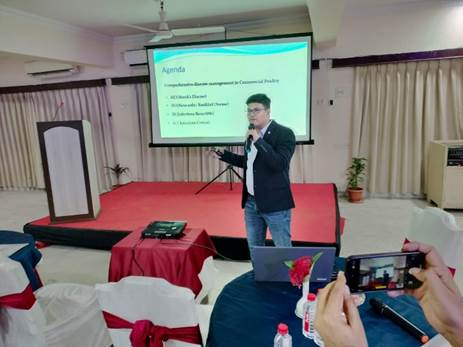
Stallen South Asia Organizes Technical Seminar for Poultry Farmers in Berhampur, Odisha

Stallen South Asia Pvt. Ltd. recently hosted a technical seminar for Poultry farmers in Berhampur, Odisha, bringing together poultry experts, consultants, and farmers on a common platform to discuss modern disease management and vaccination strategies.

The event commenced with a welcome address by Mr. Davinder Kumar, Vice President – Sales (North & Central India), who highlighted the company’s commitment to working hand-in-hand with farmers. This was followed by a presentation from Dr. Sanjay Singhal, Chief Operating Officer, who spoke about the history, culture and vision of Stallen South Asia. He underlined the company’s unwavering dedication to quality, innovation, and providing farmers with reliable and effective solutions.

The highlight of the seminar was an insightful technical session delivered by Dr. Sushil Dhariwal, a renowned Layer & Breeder consultant, on the topic “Comprehensive Disease Management in Commercial Poultry: Focus on Marek’s Disease, Newcastle Disease (ND), Infectious Bronchitis (IB), and Coryza.” Dr. Dhariwal emphasized the importance of timely vaccination, biosecurity, and holistic health management to ensure optimum bird performance and profitability.

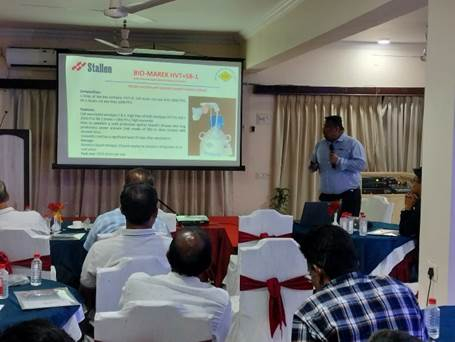
Adding further value to the program, Dr. Kishor Gedam, Product Manager – Therapeutics, presented Stallen’s vaccine portfolio for Marek’s Disease, ND, IB, and Coryza. The company’s flagship brands –BIO MAREK, OLVAC, IB OLVAC, and CORI VAC 3 –were introduced to farmers, highlighting their proven efficacy and role in strengthening flock health.

The event concluded with an interactive question-and-answer session with Dr. Dhariwal, where farmers actively discussed field-level challenges and solutions. A vote of thanks by the Stallen team marked the close of the program, reinforcing the company’s commitment to farmer partnership and technical support.

This knowledge-sharing initiative by Stallen South Asia received excellent response from the farming community and further strengthened the company’s mission of “Empowering Farmers with Science and Solutions.”

WhatsApp Bot